Pacifier Weaning and Thumb Sucking: A Plan
Babies may suck for comfort; for a toddler, plan a supported goodbye to the pacifier or finger-sucking habit, aiming to stop by 36 months.
For parents and caregivers of babies, toddlers and preschoolers deciding when and how to stop sucking for comfort.
SUMMARY
For a toddler, start with pacifier-free play and offer comfort as you reduce other uses.
If the teeth or roof of the mouth change, ask a dentist rather than waiting for adult teeth.
Is sucking normal, or a habit to change?
Sucking is a natural infant reflex, and fingers or a pacifier can help a baby feel secure. Vigorous thumb sucking is more likely to affect teeth than resting a thumb in the mouth, and changes can involve baby teeth too.
For infant sleep, US pediatric guidance recommends offering a pacifier at naps and bedtime to reduce sudden infant death syndrome (SIDS) risk, without forcing a baby to take it. If breastfeeding, wait until feeding is going well and your baby is gaining weight before introducing a pacifier.
Do not use a pacifier to replace or delay a feed. If the pacifier falls out after your baby falls asleep, you do not need to put it back.

When to start, and when to get help
Australian parent guidance allows pacifier weaning to begin at 6 months, while US pediatric dental guidance aims for pacifier and finger-sucking habits to end by 36 months. These are different starting and completion points; for a baby still in the first year, discuss sleep-time weaning with their clinician.
Pacifier use after 12 months can increase middle-ear infection risk, and use beyond 18 months can affect the developing mouth and bite.
Arrange ongoing dental care by 12 months so you can discuss sucking habits early.
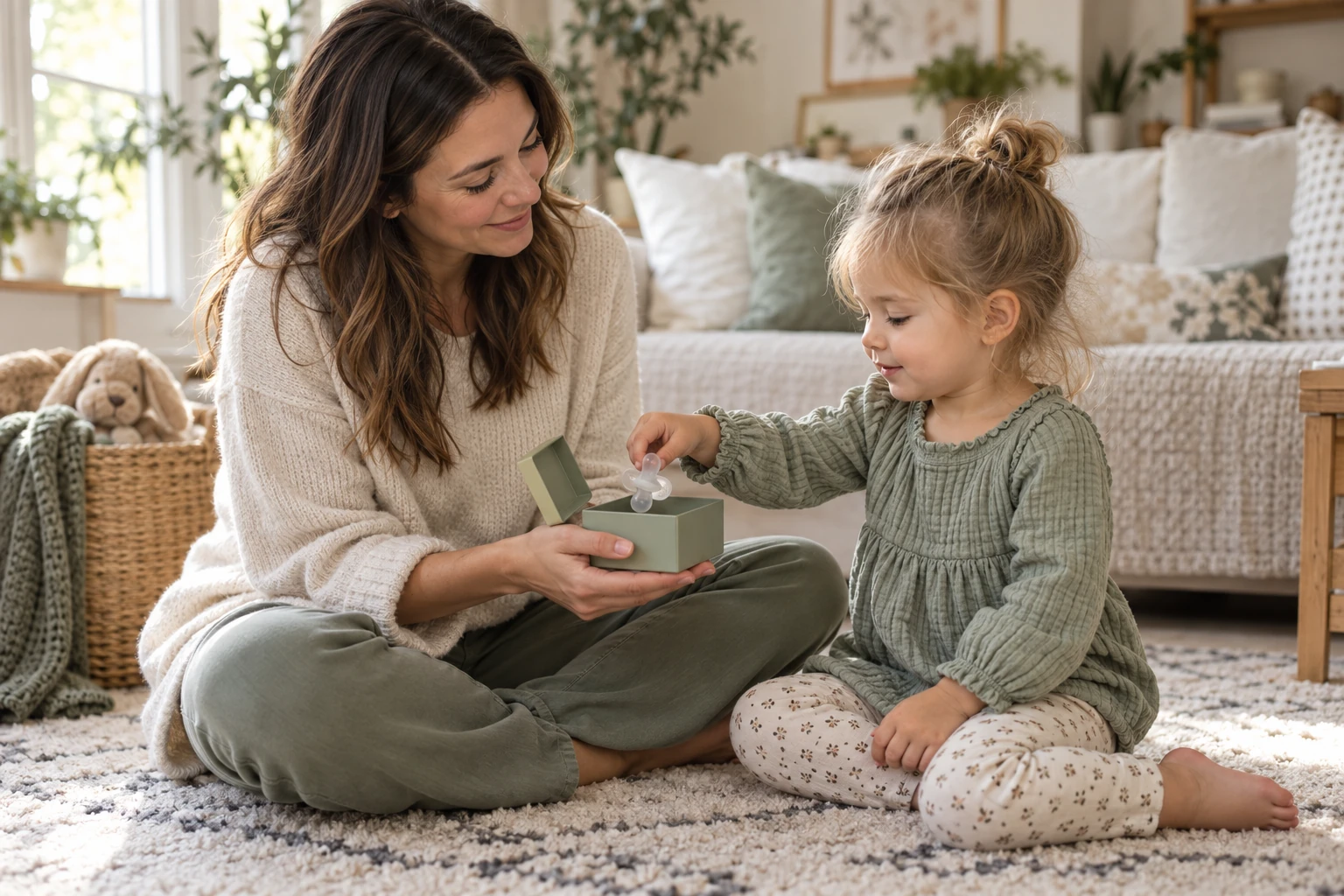
A pacifier goodbye your toddler can understand
You can reduce pacifier use gradually or choose a point to stop offering it, while giving extra comfort.
- For a toddler who uses it throughout the day, first limit the pacifier to sleep and comfort times.
- Offer extra cuddles when your child misses the pacifier.
- Praise pacifier-free moments, such as finishing a game without it.
You might say, “You put your pacifier away; come for a cuddle.”
After the agreed goodbye, respond to requests with a calm reminder and a cuddle rather than repeatedly returning the pacifier. Explain the approach to your child, and stop a method that makes them frightened or tense.

When the thumb takes over
Many children stop thumb sucking between ages 2 and 4, but visible dental changes deserve attention earlier.
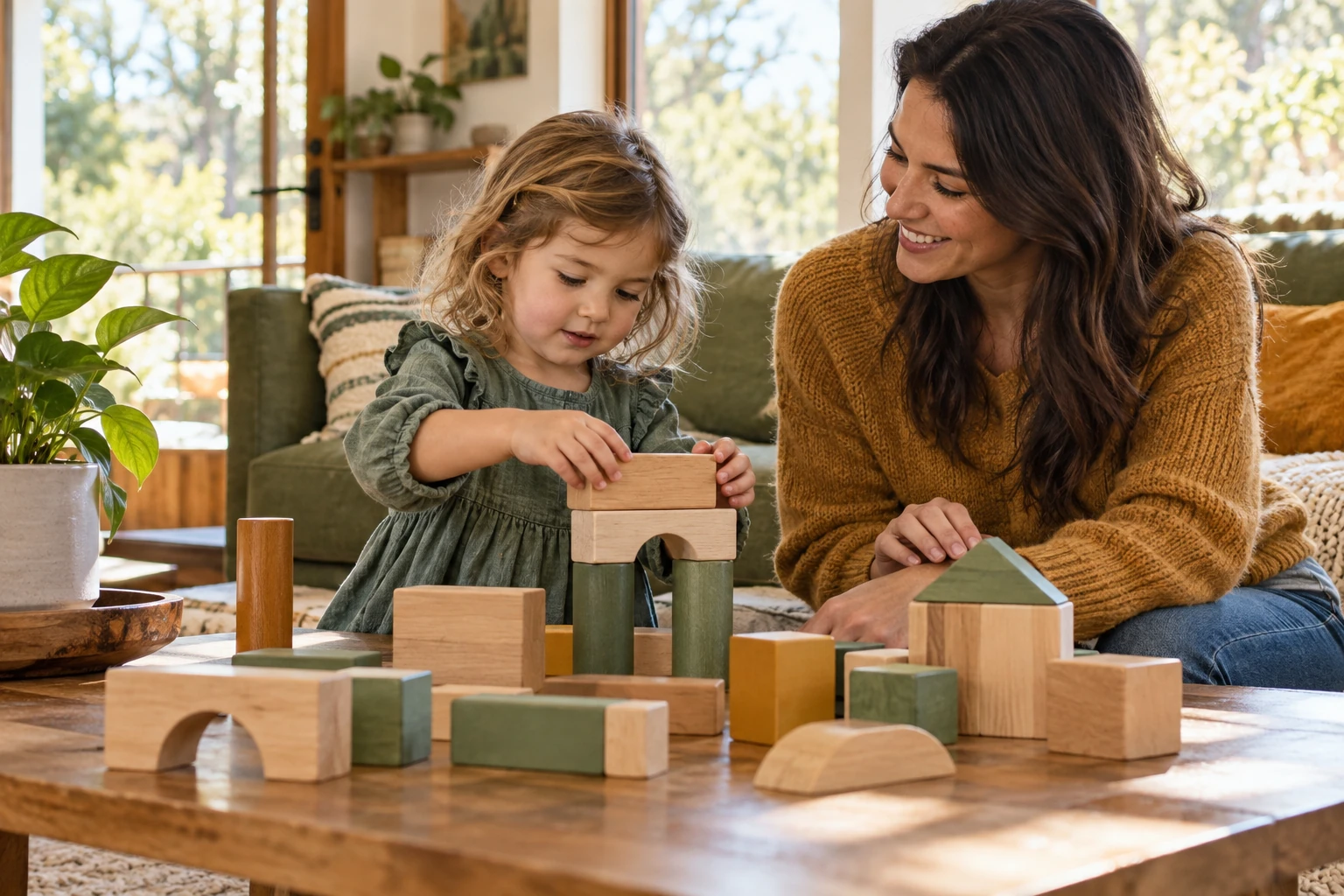
If finger sucking happens with boredom, offer enjoyable play that keeps the hands busy. If your child sucks when worried, focus on reassurance and comfort.
For an older child, choose a finger-sucking stopping method together. Do not punish, shame or tease a child for sucking.
Discuss bitter medicines or mouth appliances with a dentist or pediatrician rather than starting them yourself.
Keep the change safe
Never cut a pacifier nipple for weaning or give your child a torn one.
Do not sweeten a pacifier with sugar or honey. Honey can cause infant botulism in children under 1 year.
Never tie a pacifier to the neck, hand or crib, and keep clips, cords and attached toys out of infant sleep.
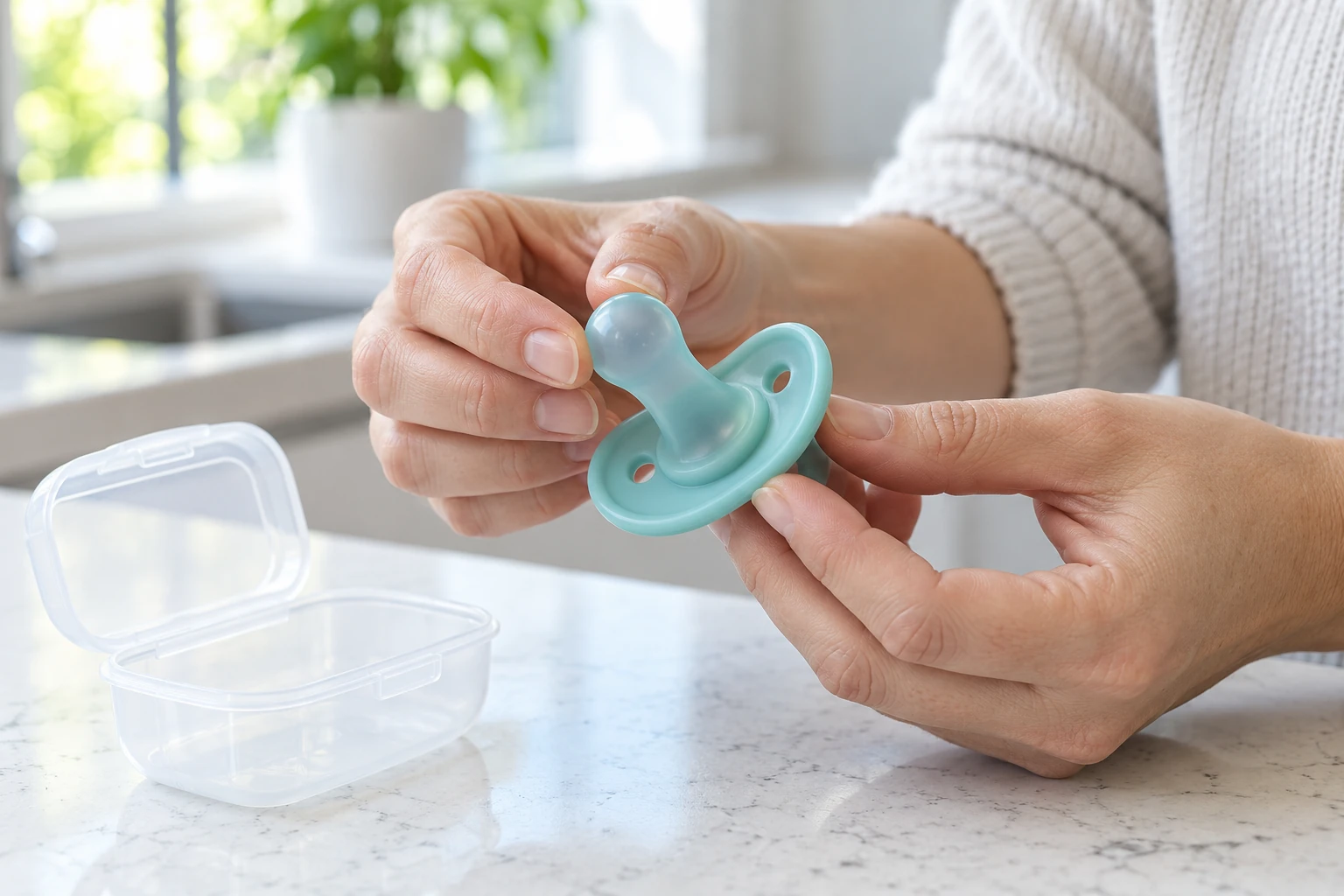
Follow the cleaning instructions and replace a pacifier that is cracked, torn or worn.
For a baby under 1 year, do not replace the pacifier with a loose blanket or soft toy in the sleep space.
When to see a dentist or clinician
Ask a dentist if the front teeth no longer meet, the bite looks different, or you are concerned about persistent sucking.
If the habit continues as the third birthday approaches, ask the dentist or pediatrician to help with a stopping plan.
If speech or development worries you, discuss it with your child’s clinician rather than assuming the pacifier explains everything.

Two common questions
Would an orthodontic pacifier solve the problem?
An “orthodontic” pacifier is not proven to prevent bite problems well enough to replace a weaning plan.
Does a pacifier definitely cause speech delay?
Pacifier use alone does not establish the cause of a speech delay, and evidence linking the two is limited.
Sources
- American Academy of Pediatric Dentistry — Policy on Pacifiers
- American Dental Association — Thumbsucking
- American Academy of Pediatrics — Safe Sleep: 9 Ways to Reduce a Baby’s Risk of SIDS & Suffocation
- Pregnancy, Birth and Baby / Healthdirect Australia — Dummies and comforters
- Canadian Paediatric Society — Pacifiers (soothers)