Increase Breast Milk Supply: 7 Ways

To increase breast milk supply, first check how well your baby feeds and how often milk is removed.
SUMMARY
Check weight gain and wet diapers, and ask a feeding professional to watch a feed if intake or latch concerns you.
If you are worried your baby is not getting enough milk, get feeding help right away.
Is supply low, or does feeding need a check?
Soft breasts and a small amount from one pumping session do not by themselves prove low milk supply.
Babies may feed more often during growth spurts, so frequent feeding alone is not proof of low supply.
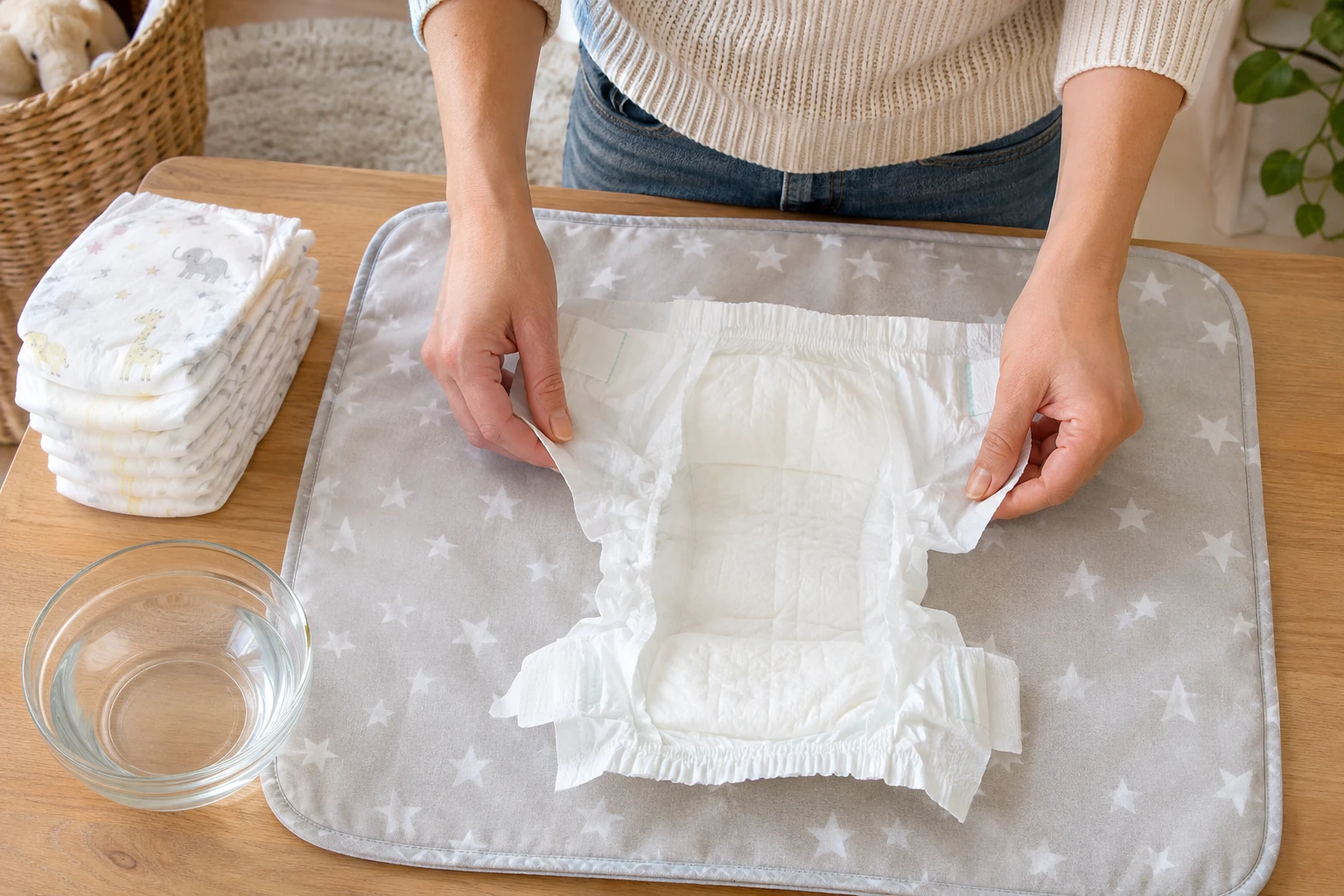
| What to check | What it tells you |
|---|---|
| Wet diapers | From day 5, expect at least 6 wet diapers in 24 hours. |
| Growth | Newborns are expected to regain birth weight by days 10–14; ask your baby's clinician to review growth if this has not happened. |
| Milk transfer | During a feed, look and listen for swallowing after the initial quick sucks. |
When to get help now
Contact your baby's clinician right away if weight keeps falling after day 5, there are fewer than 6 wet diapers a day from day 5, or your newborn looks yellow or feeds poorly.
Fewer wet diapers than usual, unusual drowsiness or a sunken soft spot need urgent medical assessment for possible dehydration.
Call your local emergency number immediately if your baby is difficult to wake or has trouble breathing.
How supply responds
Milk removal signals the breasts to keep making milk.
1. Latch and positioning
Ask a midwife, lactation consultant or other qualified feeding professional to watch positioning, attachment and swallowing through a feed.

Pain, cracked nipples or a nipple that looks flattened after feeding are reasons to get latch support promptly.
2. Feeding frequency
In the first weeks, newborns commonly breastfeed 8–12 times in 24 hours, including at night; respond to feeding cues rather than waiting for fixed times.
A feed count alone does not confirm adequate intake: swallowing, diapers and growth still matter.
3. Both breasts
Offer both breasts at a feed and alternate which breast you offer first at the next feed.
Do not force your baby to stay at the breast.
4. Close contact
Holding your baby close, especially skin to skin, can support feeding and milk production.
5. Milk expression
If a feed at the breast is missed, express or pump as often as your baby would normally feed.
If intake is low, a feeding professional may suggest expressing after feeds as part of an individual plan.
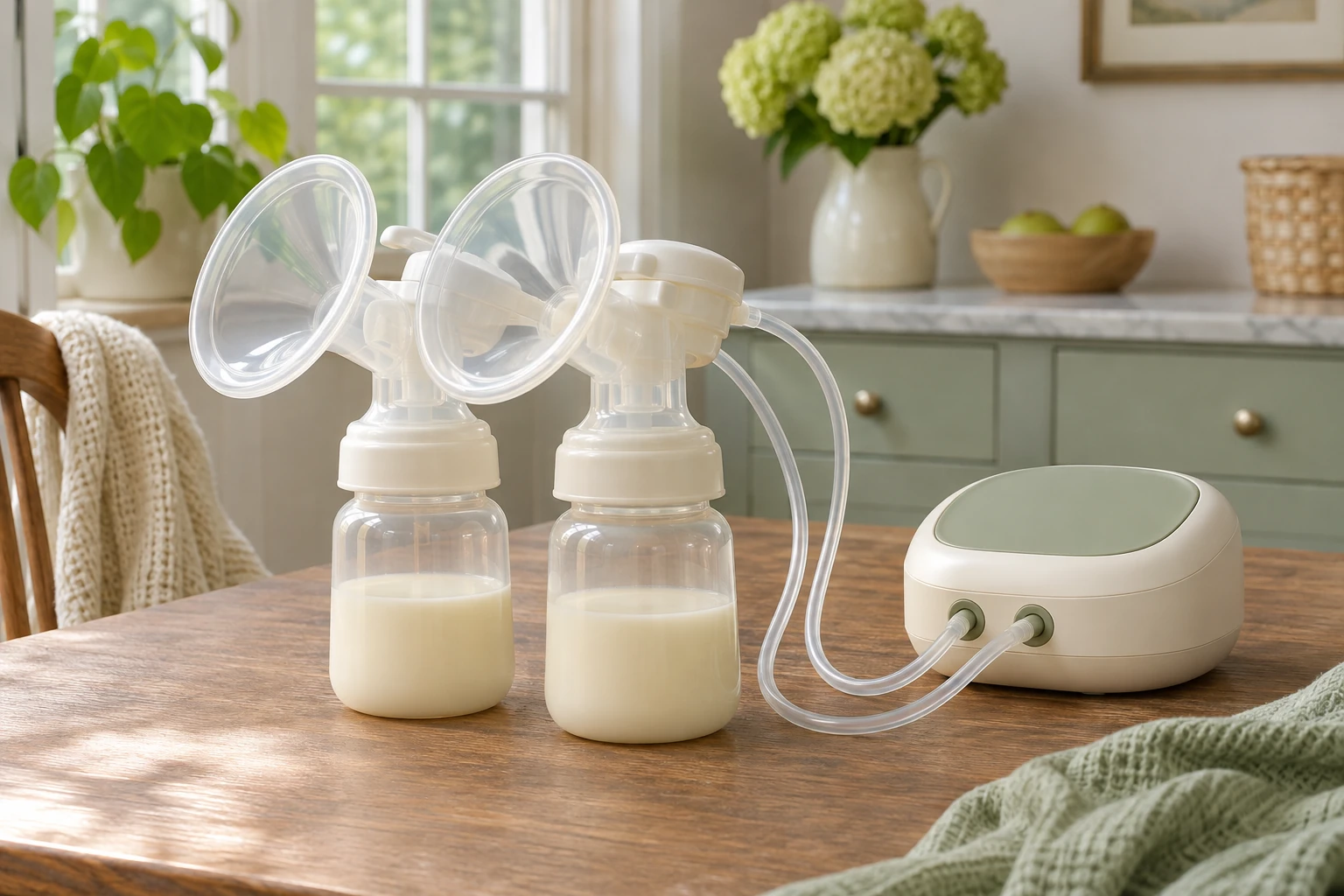
Start with low suction, center the nipple in the flange and increase suction only while it stays comfortable; pumping should not hurt.
If pumping hurts, stop and ask for help checking flange fit and suction instead of pushing through the pain.
If you use supplemental bottles, ask your feeding team before reducing them, and reduce gradually as milk supply improves.
6. Food, fluids and practical help
Eat a varied, balanced diet and keep a drink within reach during feeds; you do not need a special breastfeeding diet.

Ask someone to help with meals or baby care so that any extra expressing fits around your needs.
7. Power pumping
Power pumping alternates pumping with rest breaks to add breast stimulation; discuss whether it fits your feeding plan, especially when expressing for a sick or premature baby.
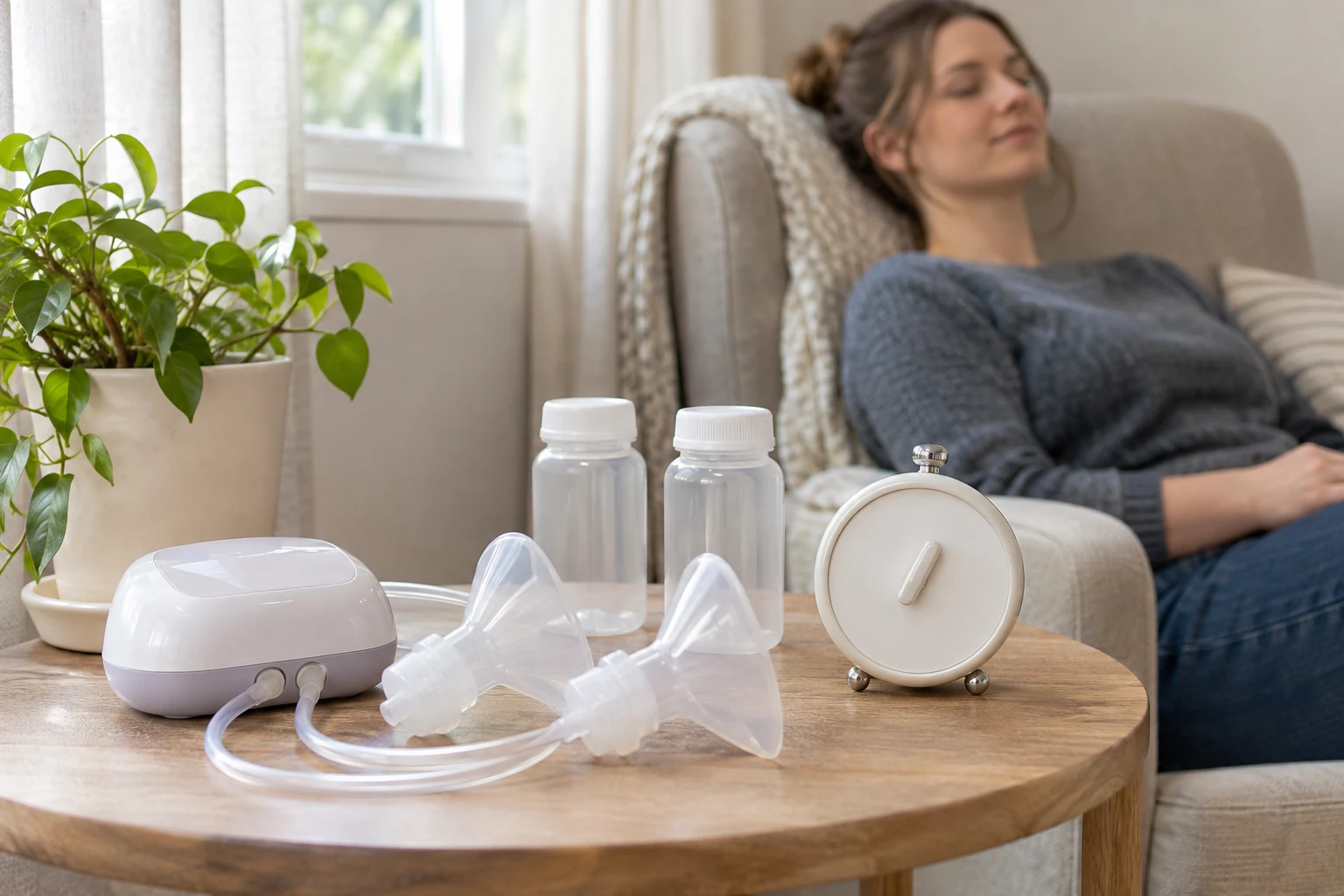
One power-pumping example
| Phase | Pumping or rest |
|---|---|
| First pumping | Pump for about 20 minutes. |
| First break | Switch the pump off and rest for 10 minutes. |
| Second pumping | Pump again for 10 minutes. |
| Second break | Rest for another 10 minutes. |
| Final pumping | Finish with 10 minutes of pumping: the pumping and breaks total about 1 hour. |
A change may take 48–72 hours to appear; this is not a promise that supply will rise or a reason to delay checking poor intake.
If supply stays low
If supply remains low, ask for a review of feeding, your health and medicines before considering a milk-increasing drug.
Do not start herbs or medicines marketed to increase milk without a clinician or pharmacist checking their evidence and safety for you.
Practical questions
Do I need a pump if breastfeeding is going well?
If your healthy baby is breastfeeding well, you do not have to add pumping; unnecessary early expressing can cause oversupply.
Does accepting a top-up bottle prove my baby was hungry?
Taking a bottle after breastfeeding does not by itself show that the breastfeed was insufficient, because babies may keep sucking for comfort.