Baby Outing Weather Check
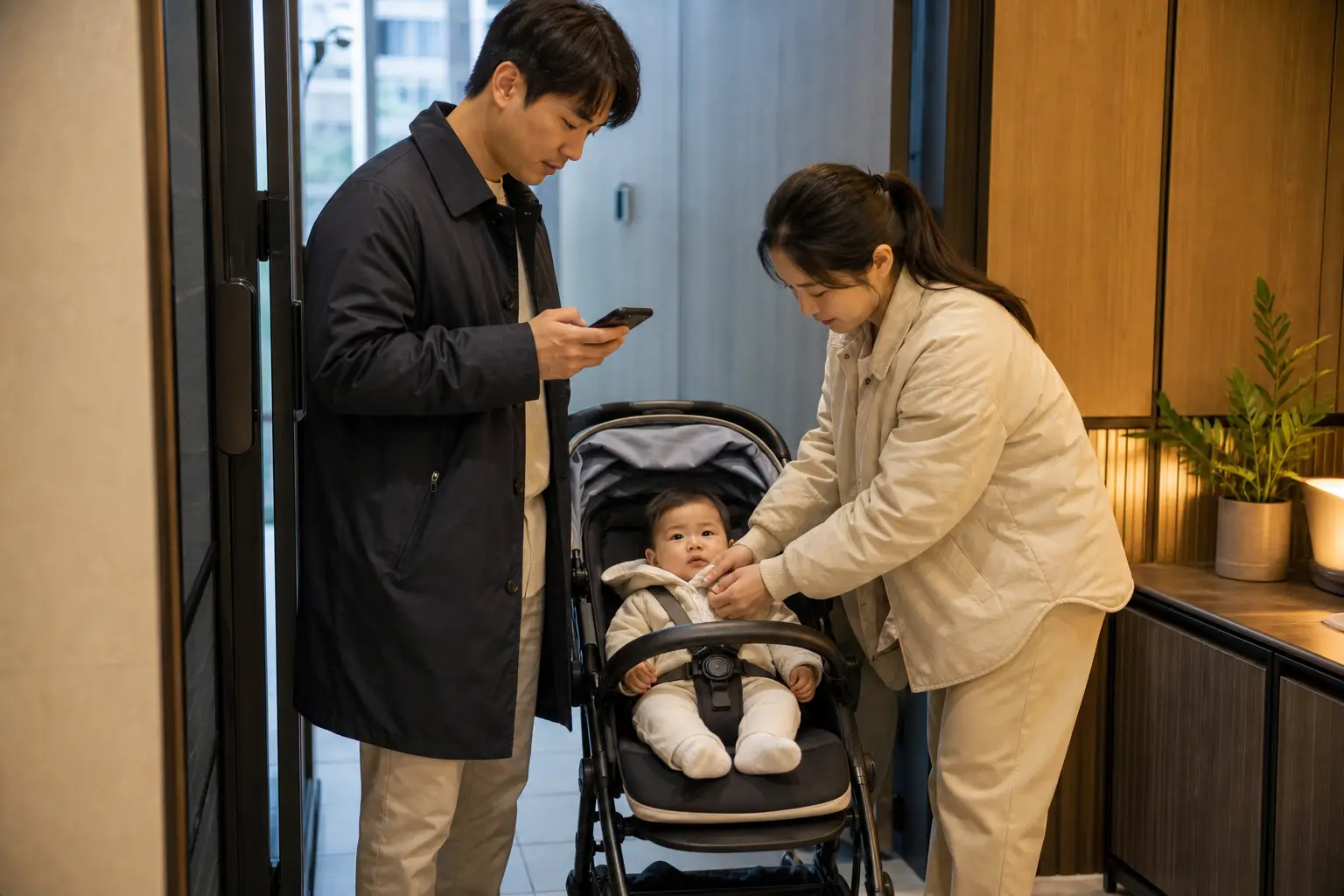
The risky part of an infant outing is often the transition: home to sun, stroller to car, cold street to heated bus, or a long delay between feeds. A two-minute check before leaving and after returning catches those changes early.
SUMMARY
Check the forecast and air quality, dress in adjustable light layers, protect babies under six months from direct sun, keep stroller airflow open, and remove hats or extra layers in warm vehicles and buildings. Continue normal milk feeds, track wet diapers, and seek urgent care for altered responsiveness, breathing difficulty, or signs of heat illness. Ask your pediatrician about individualized limits.
Evidence anchors: This guide is anchored to CDC — Infants and Children and Heat · NHS — How to Dress a Newborn Baby.
The transition-first outing plan
This part of baby outing weather check turns the goal into observable decisions. Focus on forecast, air quality and route, indoor-outdoor transitions, and a clear return plan. Each item should be checked in the setting where it actually occurs, with the baby supervised and the next action already decided.
- forecast, air quality and route
- indoor-outdoor transitions
- a clear return plan
Start with a baseline rather than a verdict. One observation rarely proves that something is normal or abnormal. Compare the current pattern with the baby's usual pattern, the surrounding conditions, and any recent change in feeding, sleep, environment, or caregiving. Write down what was directly seen before adding an interpretation. This separation between observation and interpretation makes a later conversation with another caregiver or pediatrician much more useful and reduces decisions driven only by memory or worry.
For this specific topic, convert the checklist into a closed loop: observe, compare with baseline, act once, document the result, and decide when to review it. That loop matters because check the forecast and air quality, dress in adjustable light layers, protect babies under six months from direct sun, keep stroller airflow open, and remove hats or extra layers in warm vehicles and buildings. If the baby has a clinician-written plan, place that plan beside the checklist and note exactly where it changes the general sequence.
Newborns and older infants differ
This part of baby outing weather check turns the goal into observable decisions. Focus on newborns regulate temperature less effectively, mobility changes sun and contact exposure, and medical conditions may change limits. Each item should be checked in the setting where it actually occurs, with the baby supervised and the next action already decided.
- newborns regulate temperature less effectively
- mobility changes sun and contact exposure
- medical conditions may change limits
Age and context change how the same signal should be read. A newborn has less physiologic reserve and a lower threshold for professional assessment than an older infant, while a mobile baby can reach hazards that previously seemed safely distant. Prematurity, chronic conditions, a recent illness, or a clinician's individualized plan may also change the safest action. Use this guide as an operating framework, then place the baby's own medical instructions above any general rule.
For this specific topic, convert the checklist into a closed loop: observe, compare with baseline, act once, document the result, and decide when to review it. That loop matters because check the forecast and air quality, dress in adjustable light layers, protect babies under six months from direct sun, keep stroller airflow open, and remove hats or extra layers in warm vehicles and buildings. If the baby has a clinician-written plan, place that plan beside the checklist and note exactly where it changes the general sequence.
Two minutes before the door
This part of baby outing weather check turns the goal into observable decisions. Focus on last feed and diaper, adjustable layers, shade and transport plan, and charged phone and contacts. Each item should be checked in the setting where it actually occurs, with the baby supervised and the next action already decided.
- last feed and diaper
- adjustable layers
- shade and transport plan
- charged phone and contacts
Prepare the environment before handling the baby or the task. Put the needed items within the adult's reach, remove distractions, and keep medicines, chemicals, cords, hot liquids, and small objects beyond the baby's reach and sight. If two adults are present, name who is responsible for the baby and who is responsible for the equipment. A clear handoff prevents the common moment when each adult assumes the other is supervising.
For this specific topic, convert the checklist into a closed loop: observe, compare with baseline, act once, document the result, and decide when to review it. That loop matters because check the forecast and air quality, dress in adjustable light layers, protect babies under six months from direct sun, keep stroller airflow open, and remove hats or extra layers in warm vehicles and buildings. If the baby has a clinician-written plan, place that plan beside the checklist and note exactly where it changes the general sequence.
Heat, sun and stroller airflow
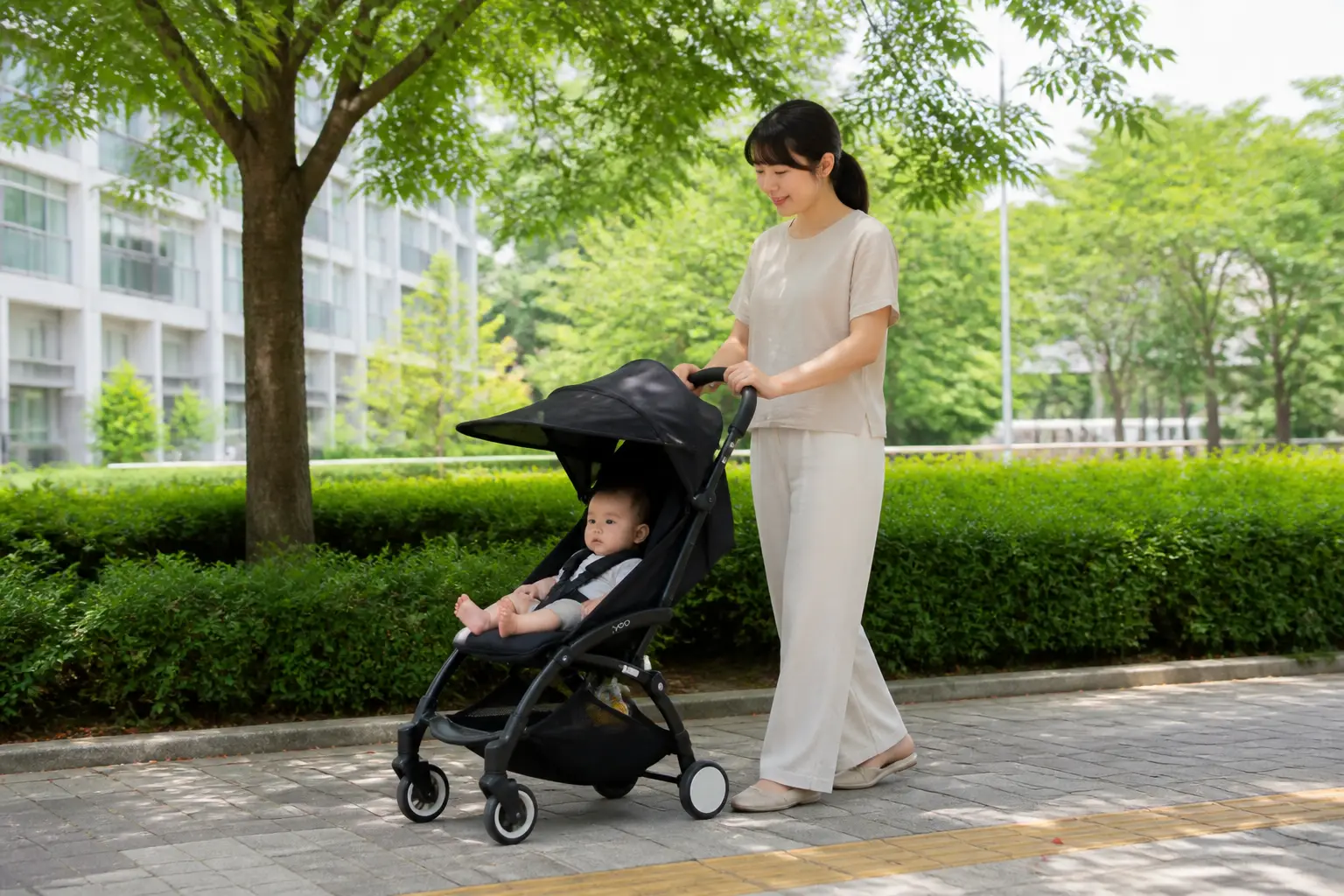
This part of baby outing weather check turns the goal into observable decisions. Focus on shade before sunscreen for young babies, loose light clothing, never cover a stroller with a blanket, and never leave a baby in a parked car. Each item should be checked in the setting where it actually occurs, with the baby supervised and the next action already decided.
- shade before sunscreen for young babies
- loose light clothing
- never cover a stroller with a blanket
- never leave a baby in a parked car
Work in a fixed sequence so that a tired caregiver does not have to improvise. Confirm the baby, item, instruction, and timing; complete one action; then close, clean, store, and document before moving on. If anything does not match, pause instead of guessing. A repeatable sequence is not bureaucracy: it is a practical defense against interruptions, sleep deprivation, and two caregivers unknowingly doing the same task.
For this specific topic, convert the checklist into a closed loop: observe, compare with baseline, act once, document the result, and decide when to review it. That loop matters because check the forecast and air quality, dress in adjustable light layers, protect babies under six months from direct sun, keep stroller airflow open, and remove hats or extra layers in warm vehicles and buildings. If the baby has a clinician-written plan, place that plan beside the checklist and note exactly where it changes the general sequence.
Cold, wind and wet clothing
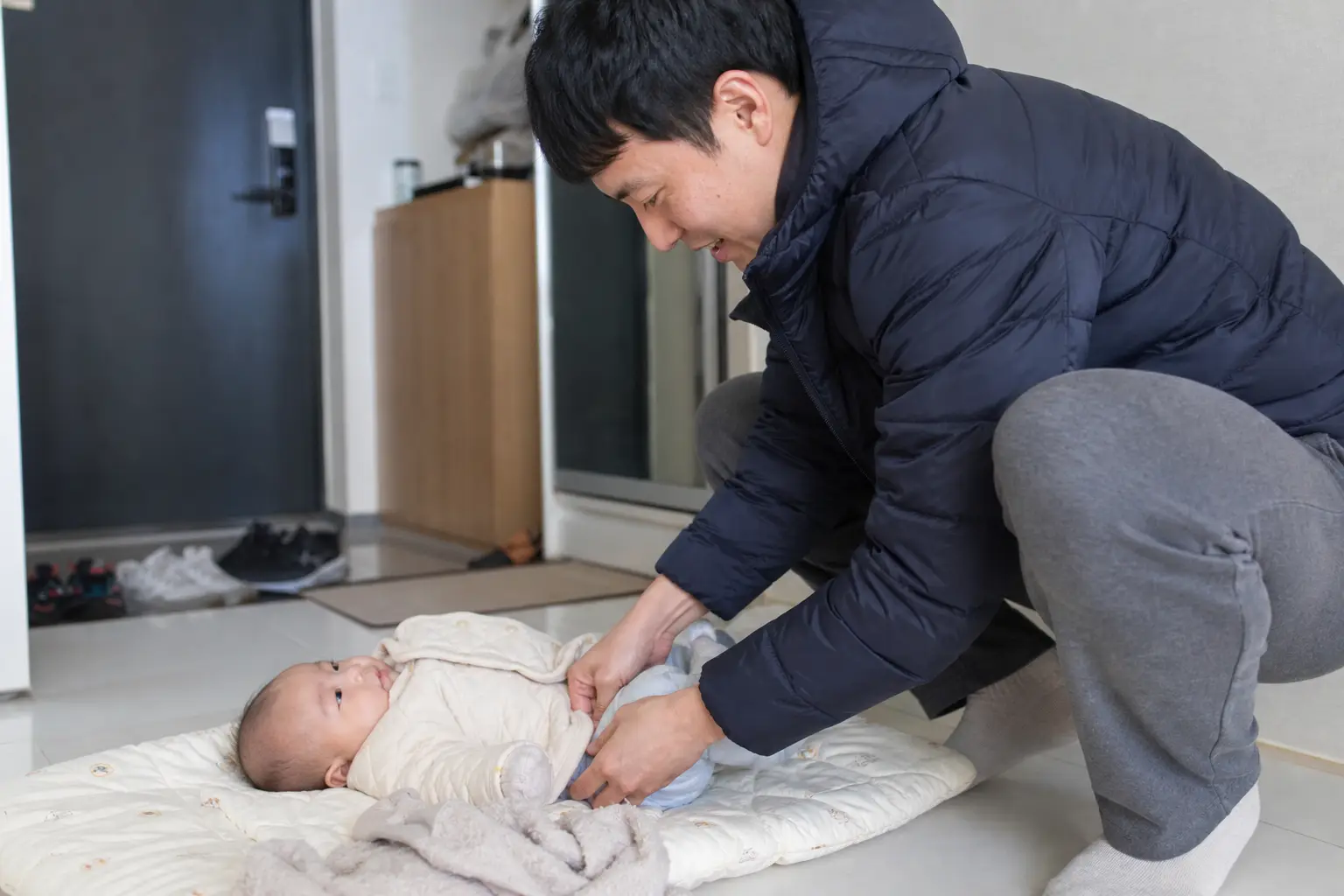
This part of baby outing weather check turns the goal into observable decisions. Focus on several light layers, close-knit hat outdoors, replace wet clothing promptly, and check chest or back, not cool hands alone. Each item should be checked in the setting where it actually occurs, with the baby supervised and the next action already decided.
- several light layers
- close-knit hat outdoors
- replace wet clothing promptly
- check chest or back, not cool hands alone
A useful record is short enough to maintain and specific enough to guide action. Record the clock time, what happened, what was directly observed, what the adult did, and what happened next. Use exact units when a number matters and avoid labels such as ‘bad day’ without details. Trends become visible when the same fields are used consistently. Bring the record to appointments or read it aloud during a phone call so the clinician can ask focused follow-up questions.
For this specific topic, convert the checklist into a closed loop: observe, compare with baseline, act once, document the result, and decide when to review it. That loop matters because check the forecast and air quality, dress in adjustable light layers, protect babies under six months from direct sun, keep stroller airflow open, and remove hats or extra layers in warm vehicles and buildings. If the baby has a clinician-written plan, place that plan beside the checklist and note exactly where it changes the general sequence.
Car, bus and indoor temperature shifts
This part of baby outing weather check turns the goal into observable decisions. Focus on remove hats and extra layers indoors, no bulky coat under harness, keep airflow open, and recheck after ten minutes. Each item should be checked in the setting where it actually occurs, with the baby supervised and the next action already decided.
- remove hats and extra layers indoors
- no bulky coat under harness
- keep airflow open
- recheck after ten minutes
Review patterns at a planned time instead of reacting to every isolated event. Look for direction, duration, and function: is the pattern improving, stable, or worsening; how long has it lasted; and can the baby still feed, breathe comfortably, wake normally, and produce the expected wet diapers? These functional signs are often more informative than a single photograph or a caregiver's impression. When two adults disagree, return to observable facts and the baby's individualized plan.
For this specific topic, convert the checklist into a closed loop: observe, compare with baseline, act once, document the result, and decide when to review it. That loop matters because check the forecast and air quality, dress in adjustable light layers, protect babies under six months from direct sun, keep stroller airflow open, and remove hats or extra layers in warm vehicles and buildings. If the baby has a clinician-written plan, place that plan beside the checklist and note exactly where it changes the general sequence.
Feeding and diaper checks
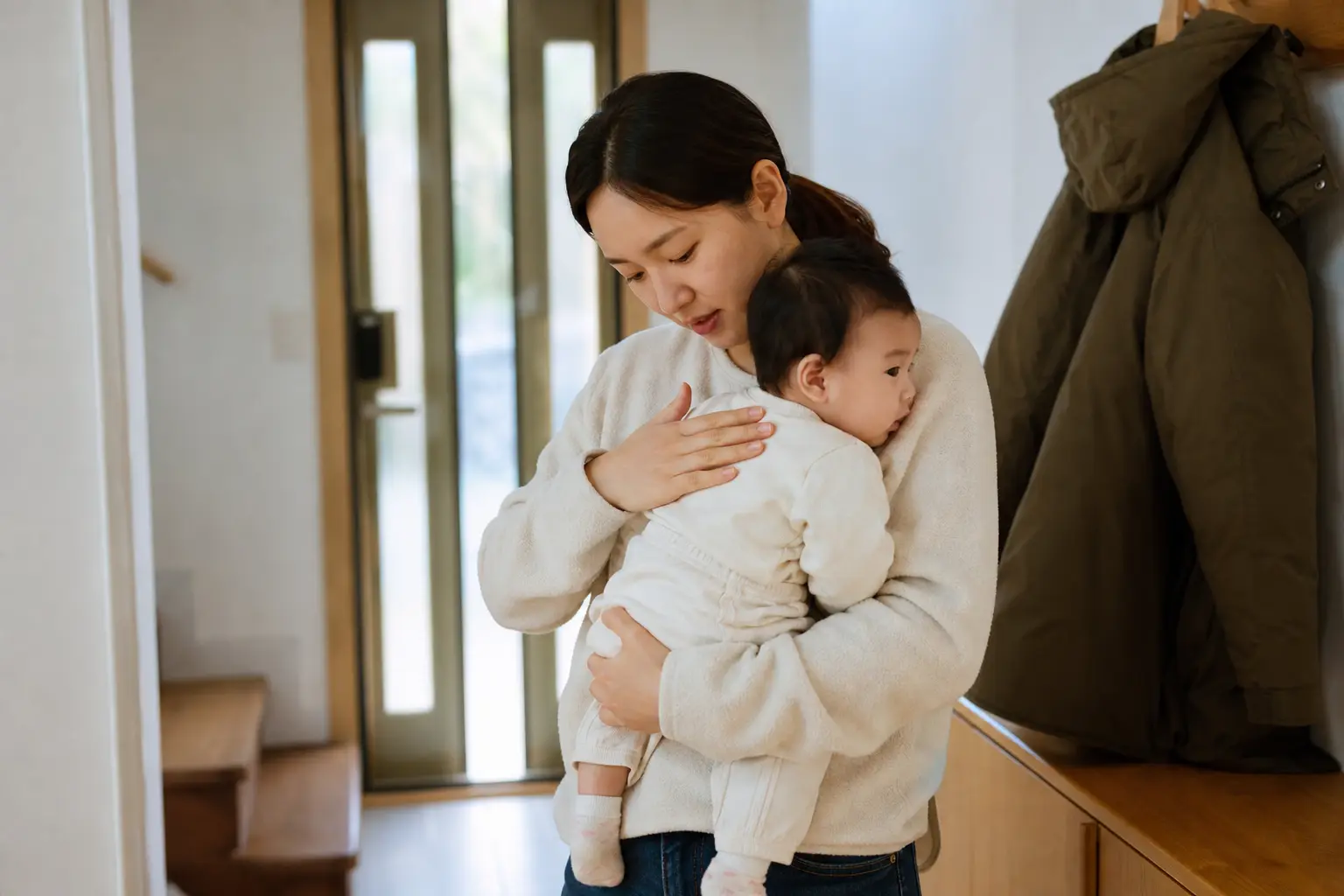
This part of baby outing weather check turns the goal into observable decisions. Focus on milk remains the main drink in the first year, offer feeds according to the baby's plan, count wet diapers, and record unusual sleepiness. Each item should be checked in the setting where it actually occurs, with the baby supervised and the next action already decided.
- milk remains the main drink in the first year
- offer feeds according to the baby's plan
- count wet diapers
- record unusual sleepiness
Avoid shortcuts that remove a safety layer. Do not estimate a dose, conceal a goodbye, cover ventilation, leave a hazardous product out for the next use, or assume that a wipe replaces handwashing. Do not use an image, social post, or another family's routine as a prescription for this baby. If instructions are unclear, the safe next step is to stop and confirm them with the responsible service, pharmacist, or pediatrician.
For this specific topic, convert the checklist into a closed loop: observe, compare with baseline, act once, document the result, and decide when to review it. That loop matters because check the forecast and air quality, dress in adjustable light layers, protect babies under six months from direct sun, keep stroller airflow open, and remove hats or extra layers in warm vehicles and buildings. If the baby has a clinician-written plan, place that plan beside the checklist and note exactly where it changes the general sequence.
Actions to avoid
This part of baby outing weather check turns the goal into observable decisions. Focus on no blanket over stroller, no parked-car delay, no hot water bottle, and no direct fan blast. Each item should be checked in the setting where it actually occurs, with the baby supervised and the next action already decided.
- no blanket over stroller
- no parked-car delay
- no hot water bottle
- no direct fan blast
Escalation should be decided before stress is high. Write down who to call during routine hours, who provides after-hours advice, and where emergency care is available. Call emergency services for severe breathing difficulty, blue or gray color, unresponsiveness, a seizure, collapse, or another immediately life-threatening change. For a young infant or a baby with a special medical plan, ask the pediatrician whether additional same-day thresholds apply.
For this specific topic, convert the checklist into a closed loop: observe, compare with baseline, act once, document the result, and decide when to review it. That loop matters because check the forecast and air quality, dress in adjustable light layers, protect babies under six months from direct sun, keep stroller airflow open, and remove hats or extra layers in warm vehicles and buildings. If the baby has a clinician-written plan, place that plan beside the checklist and note exactly where it changes the general sequence.
Warning signs and pediatric advice
This part of baby outing weather check turns the goal into observable decisions. Focus on breathing difficulty or altered alertness, very hot skin with illness, persistent shivering or poor feeding, and ask the pediatrician about lower thresholds. Each item should be checked in the setting where it actually occurs, with the baby supervised and the next action already decided.
- breathing difficulty or altered alertness
- very hot skin with illness
- persistent shivering or poor feeding
- ask the pediatrician about lower thresholds
Communication works best when it is structured. Begin with the baby's age and relevant condition, state the current concern in one sentence, give the timeline, describe feeding, breathing, alertness, temperature when relevant, and wet diapers, then state what has already been tried. Ask the receiver to repeat back any instruction that includes a dose, time, return criterion, or emergency threshold. Record the name or role of the person contacted and the agreed next step.
For this specific topic, convert the checklist into a closed loop: observe, compare with baseline, act once, document the result, and decide when to review it. That loop matters because check the forecast and air quality, dress in adjustable light layers, protect babies under six months from direct sun, keep stroller airflow open, and remove hats or extra layers in warm vehicles and buildings. If the baby has a clinician-written plan, place that plan beside the checklist and note exactly where it changes the general sequence.
The return-home reset
This part of baby outing weather check turns the goal into observable decisions. Focus on remove damp layers, resume a normal feed, check diaper and alertness, and record what changed. Each item should be checked in the setting where it actually occurs, with the baby supervised and the next action already decided.
- remove damp layers
- resume a normal feed
- check diaper and alertness
- record what changed
Revisit the system after a week and after any near miss. Keep the parts that were easy to follow, remove fields nobody uses, and strengthen the step where an interruption occurred. Store the checklist where the action happens, not where it looks tidy. The goal is not a perfect log or a perfectly controlled day. The goal is a reliable process that helps adults notice change, act safely, and seek the right level of help without delay.
For this specific topic, convert the checklist into a closed loop: observe, compare with baseline, act once, document the result, and decide when to review it. That loop matters because check the forecast and air quality, dress in adjustable light layers, protect babies under six months from direct sun, keep stroller airflow open, and remove hats or extra layers in warm vehicles and buildings. If the baby has a clinician-written plan, place that plan beside the checklist and note exactly where it changes the general sequence.
Frequently asked questions
Do I need to record every detail?
No. Record the small set of facts that can change the next decision: time, direct observation, action, and response. A record that is too detailed is often abandoned.
What if two caregivers disagree?
Return to directly observed facts, the written instruction, and the baby's usual pattern. If the disagreement affects safety, pause and confirm the plan with the responsible professional.
Can a photo replace a written note?
A photo can support a timeline but should not stand alone. Add the time, lighting or conditions, what changed, and how the baby was functioning.
When should I call the pediatrician?
Call when the pattern is worsening, the baby cannot feed or wake as usual, breathing changes, wet diapers fall, or the individualized plan says to call. Ask your pediatrician about age-specific thresholds.
What belongs in an emergency plan?
Keep routine, after-hours, poison advice when relevant, and emergency contacts; the baby's key history; the exact location of supplies; and the signs that trigger each level of help.
Sources
This guide provides general education and does not replace diagnosis or an individualized plan from your pediatrician.