Whooping Cough Symptoms: Babies and Pregnancy

Whooping cough can be life-threatening for newborns; vaccination during pregnancy helps protect babies before their own vaccinations begin.
For expectant parents and adults caring for a newborn, the first decisions are when to seek help and how to arrange protection before birth.
SUMMARY
- Get urgent medical advice if a baby under 6 months has possible whooping cough symptoms.
- Plan pregnancy vaccination with your prenatal clinician.
- After close exposure involving a newborn or a pregnant person, contact a clinician promptly about preventive antibiotics, even if household members are vaccinated.
Recognise symptoms without waiting for a whoop
Whooping cough, also called pertussis, is a bacterial respiratory infection spread through the air when infected people cough or sneeze.
Early symptoms can resemble a cold, with a runny nose and mild cough; high fever is uncommon.
Later, coughing fits may cause vomiting or a sharp intake of breath, but young babies may not make the classic whoop.
A baby can have little or no cough and still have dangerous pauses in breathing, called apnea.

When to get help
Call your local emergency number immediately for pauses in breathing, difficulty breathing, sudden blue or grey skin, or seizures.
Do not wait for a whoop if a baby under 6 months has possible whooping cough symptoms; get urgent medical advice.

Early antibiotic treatment may reduce illness severity and spread; do not give a newborn cough medicine unless a clinician recommends it.
Why newborns are especially vulnerable
Newborns are too young for routine pertussis vaccination, leaving an early gap in protection.
In babies under 6 months, complications can include dehydration, pneumonia and seizures.
Vaccination during pregnancy produces antibodies that pass through the placenta and give the baby temporary protection after birth.
Plan vaccination during pregnancy
Tdap and DTaP are combination vaccines that protect against whooping cough, tetanus and diphtheria.
For newborn protection, plan vaccination during pregnancy instead of waiting until after birth.
| Where you receive care | Pregnancy vaccination timing |
|---|---|
| South Korea | South Korean guidance recommends Tdap at 27–36 weeks of pregnancy for pregnant people with no previous Tdap vaccination. |
| United States | In the US, CDC recommends Tdap at 27–36 weeks of every pregnancy, preferably early in that window. |
| United Kingdom | UK guidance offers vaccination from 16 weeks, usually around 20 weeks, ideally before 32 weeks. |
Ask your local maternity clinician which pregnancy vaccine and timing apply to your care.
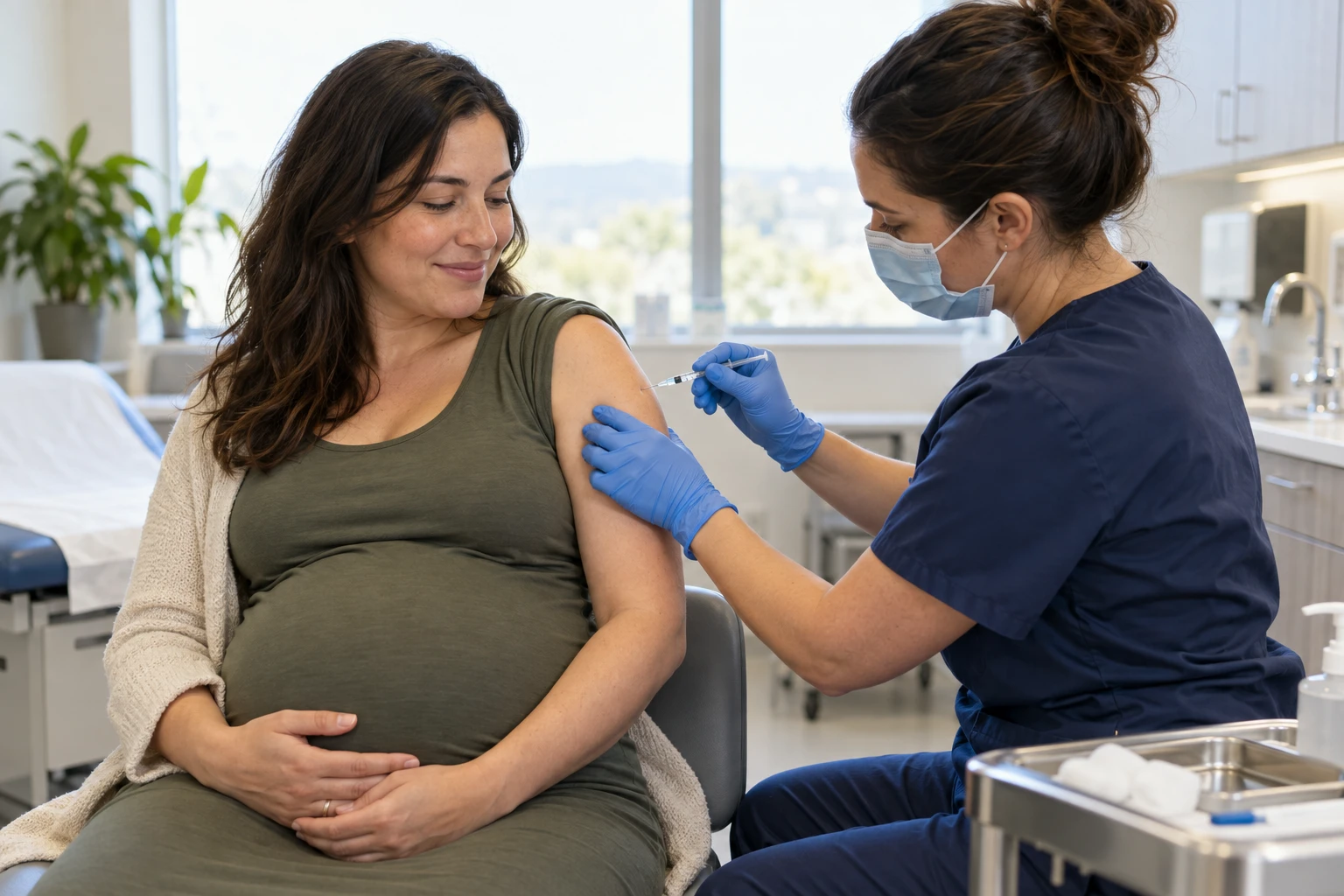
Tdap is considered safe during pregnancy; common side effects include temporary pain, redness or swelling at the injection site.
Tell the vaccine provider about any previous life-threatening vaccine reaction or allergy to an ingredient before vaccination.
Keep the baby’s own vaccine appointments
In South Korea, the initial DTaP doses are given at 2, 4 and 6 months, followed by later boosters.
In Japan, routine vaccination with a pertussis-containing five-in-one vaccine starts from 2 months.
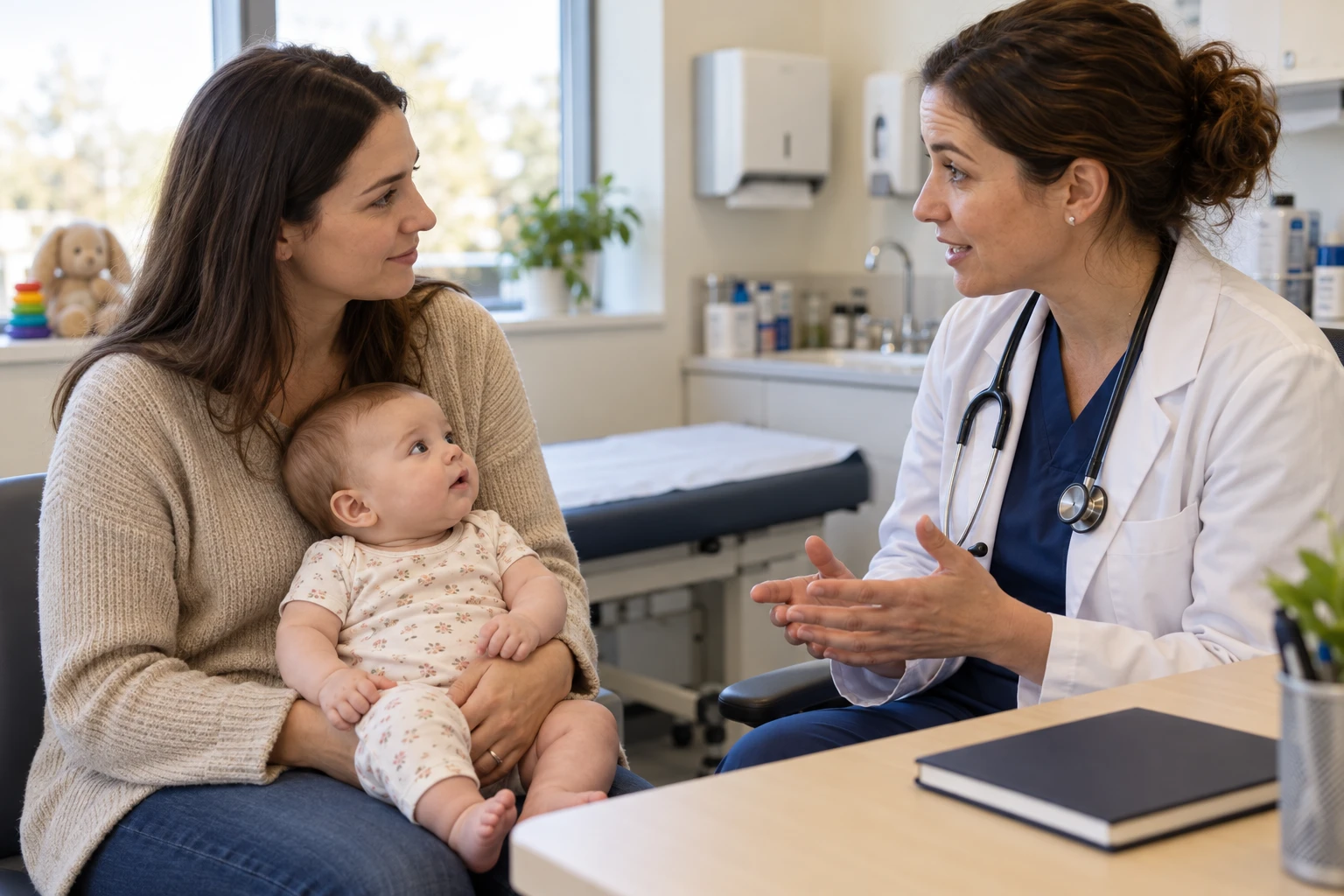
In the UK, infant vaccination begins at 8 weeks, and babies still need their full schedule after vaccination in pregnancy.
After exposure and around the household
After a newborn’s close exposure to whooping cough, ask about preventive antibiotics promptly rather than waiting for symptoms.
Caregivers who are not up to date with pertussis vaccination should get vaccinated at least 2 weeks before meeting the baby.
Wash hands, cover coughs and seek medical advice for coughing symptoms.

Questions for your next appointment
What if I missed vaccination during pregnancy?
If you missed pregnancy vaccination, contact your maternity clinician about the next step; vaccination after birth cannot provide the same prenatal antibody transfer.
What if I already had Tdap earlier this pregnancy?
Under US CDC guidance, Tdap given earlier in the same pregnancy should not be repeated at 27–36 weeks.