Nipple Bleb: Causes, Care and Treatment

For a nipple bleb, do not pop or pick the spot; a cool compress can ease discomfort while you arrange clinical advice.
For breastfeeding parents at any stage, the next decision is how to stay comfortable, keep feeds manageable and know when to seek help.
SUMMARY
- Use a cold pack wrapped in cloth.
- Use it between feeds, only if cold feels comfortable.
- Never pop or pick the spot.
- Seek medical advice if breast pain worsens or you feel very unwell.
What causes the white spot?
A nipple bleb is a small white, yellow or clear spot on the nipple that can cause sharp pain during or after feeds.
Blebs reflect inflammation in the milk ducts, the passages that carry breast milk, with inflammatory material collecting at the nipple opening.
Milk oversupply may contribute to ductal inflammation, but the cause of an individual bleb is not always clear.
Why opening it can make things worse
Piercing, squeezing or scraping a bleb can injure the nipple and worsen narrowing at the duct opening.
Repeatedly opening the spot can cause bleeding and scarring without treating the underlying inflammation.
Never pop or pick the spot.

Cold first, with a cloth barrier
Cooling can reduce pain and swelling; it does not remove the spot mechanically.
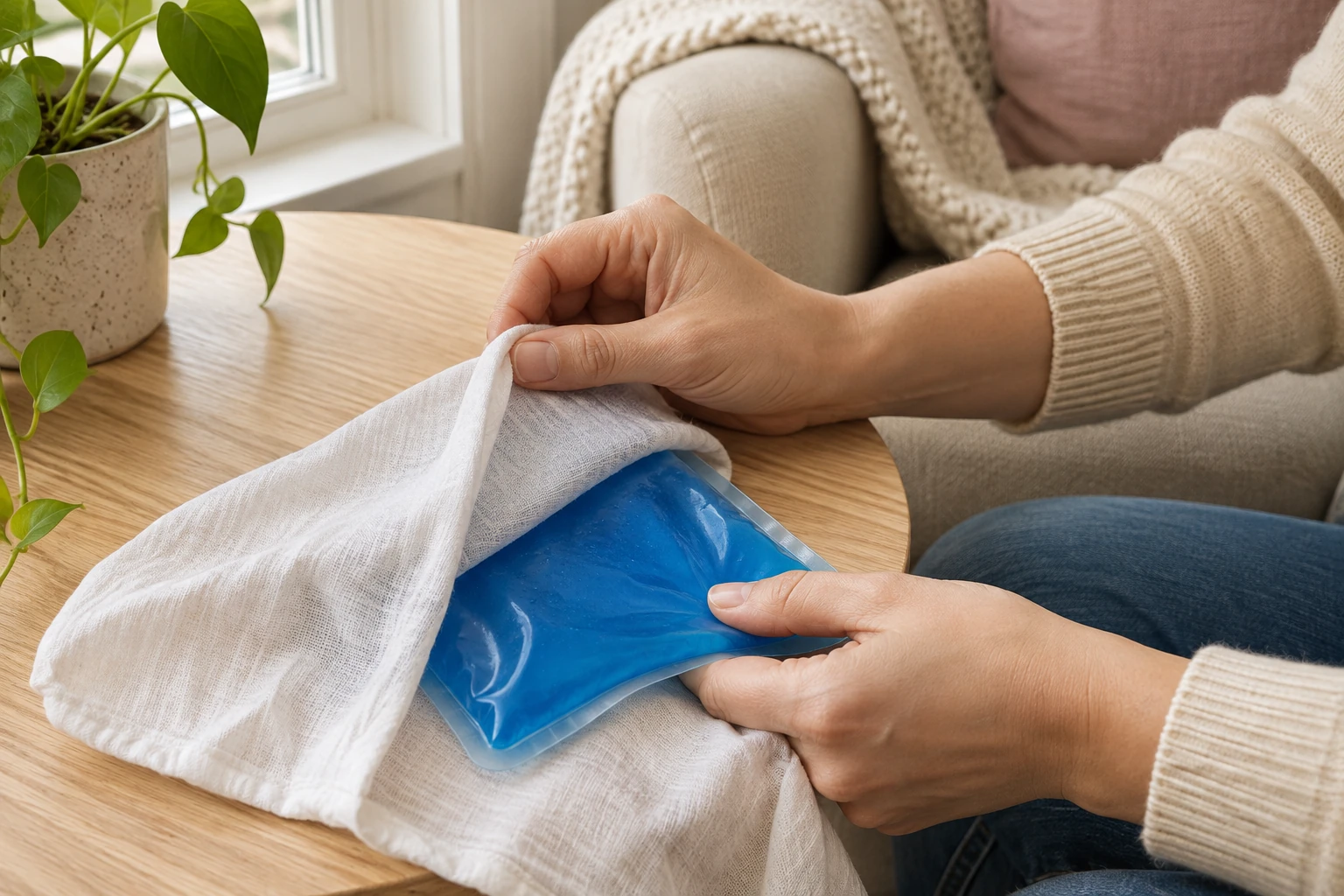
- Use a cold pack wrapped in cloth.
- Use it between feeds, only if cold feels comfortable.
- For associated breast pain, a cool compress for 10 minutes every hour may help.
Heat may feel soothing for some people, but it can worsen inflammation, so avoid prolonged hot compresses as a bleb remedy.
Avoid salt-water or Epsom-salt soaks and castor oil on the affected area.
When cold makes the pain worse
If cold worsens pain or the nipple turns white then blue, purple or red, stop cooling and ask a clinician about nipple vasospasm, a tightening of blood vessels.
For nipple vasospasm, keeping the nipple warm and avoiding cold exposure may relieve pain.

Keep feeding without extra pumping
Continue feeding to your baby’s cues rather than suddenly stopping breastfeeding.
Do not add pumping sessions to empty the breast, because extra milk removal can drive more production and inflammation.

If direct feeding is too painful, hand express enough milk to feed your baby and seek feeding support.
If severe swelling prevents any milk from coming out, stop repeated attempts on that side, feed from the other breast and get clinical help.
Avoid deep breast massage and firm pressure on the sore area.
Ask a lactation professional to review attachment, pump fit and suction if feeding or pumping hurts.
What treatment can a clinician offer?
Ask a pharmacist whether ibuprofen or paracetamol is suitable for your pain relief, and follow the product’s instructions.
A clinician may prescribe a topical steroid to reduce nipple inflammation and assess any associated oversupply or mastitis.
Oral lecithin is another option to discuss with your clinician rather than starting a supplement regimen yourself.
If a nipple steroid is prescribed, ask how to apply it and whether any residue should be removed before the next feed.
When to seek help
Arrange an assessment if the white spot persists, keeps returning or makes feeding very painful.
Get prompt medical advice for a hot, swollen, painful breast with fever or chills, as this can be mastitis.
If mastitis symptoms do not begin improving after 12–24 hours of home care, contact a clinician; do not wait for this interval if you are getting worse.

If you become confused or breathe very fast while unwell, call your local emergency number immediately.
Two remaining questions
How soon should the spot disappear?
Blebs can take weeks to clear, so review persistent pain with your clinician rather than repeatedly trying to open the spot.
Does a white spot mean I need infection medicine?
A bleb alone does not mean you need antibiotics; they are used when a clinician identifies bacterial mastitis.
A nipple bleb is not a fungal infection, so do not use antifungal treatment for a bleb without a separate diagnosis.