Cow’s Milk at 12 Months: How to Switch

From 12 months, a healthy toddler can start plain, pasteurized whole cow’s milk in a cup alongside a varied diet.
SUMMARY
Offer milk without making your child finish it, and keep room for meals.
If your toddler has a known milk allergy or uses a prescribed special formula, agree on the transition with their clinician first.
Choose the milk before changing feeds
Before 12 months, keep breast milk or infant formula as the main milk drink; cow’s milk does not provide the right nutrient balance.
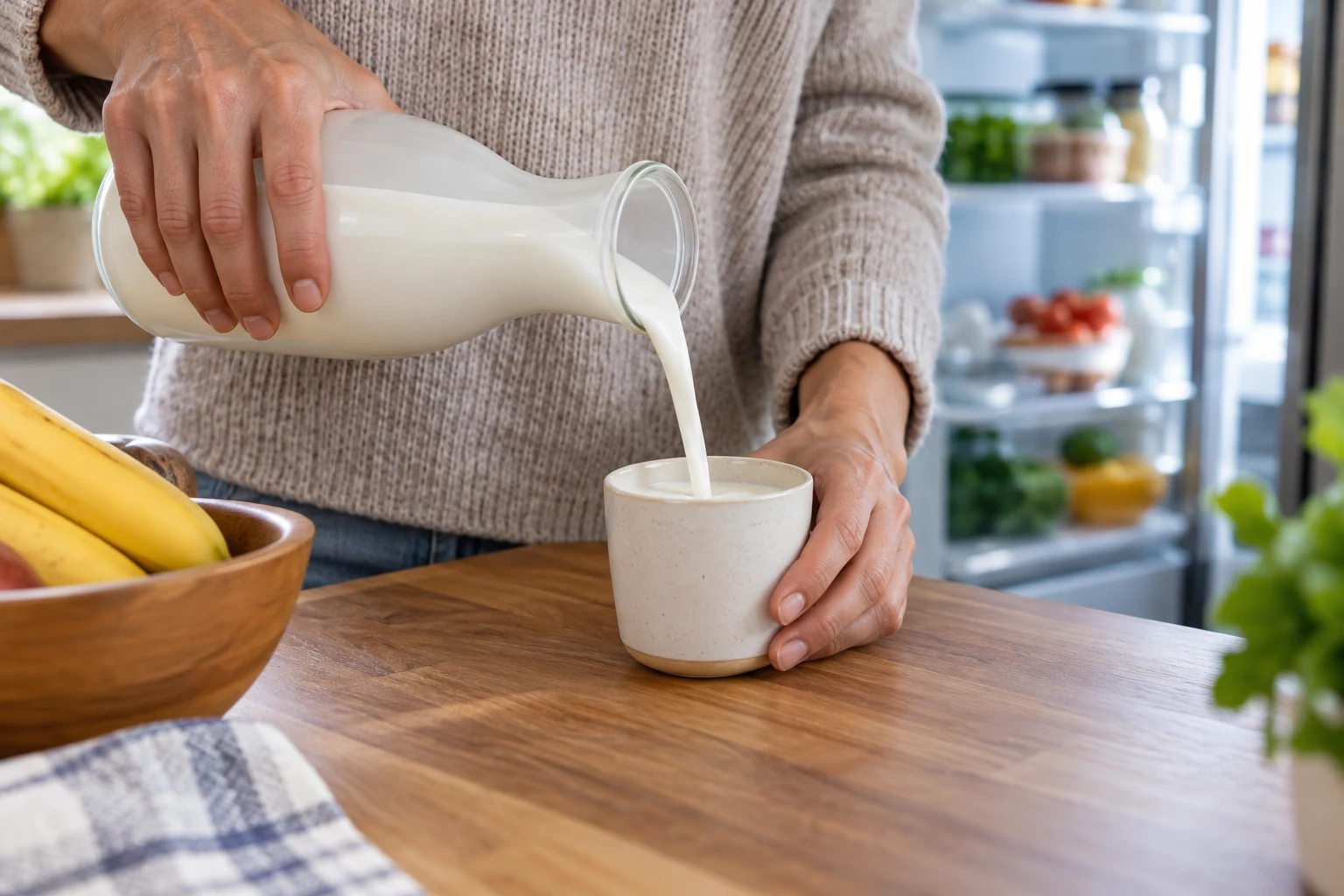
From the first birthday, either chilled pasteurized whole milk or long-life (UHT) whole milk is an option.
Never give raw or unpasteurized milk to your toddler because it can carry harmful germs.
US guidance generally favors whole milk before age two, with lower-fat choices discussed with a clinician for relevant weight or family-history concerns; UK guidance also permits semi-skimmed milk from age one.
How much fits around meals?
For ages 12–23 months, the US beverage consensus gives a range of 16–24 US fl oz of whole milk a day, about 480–720 mL, with individual needs depending on solid-food intake.
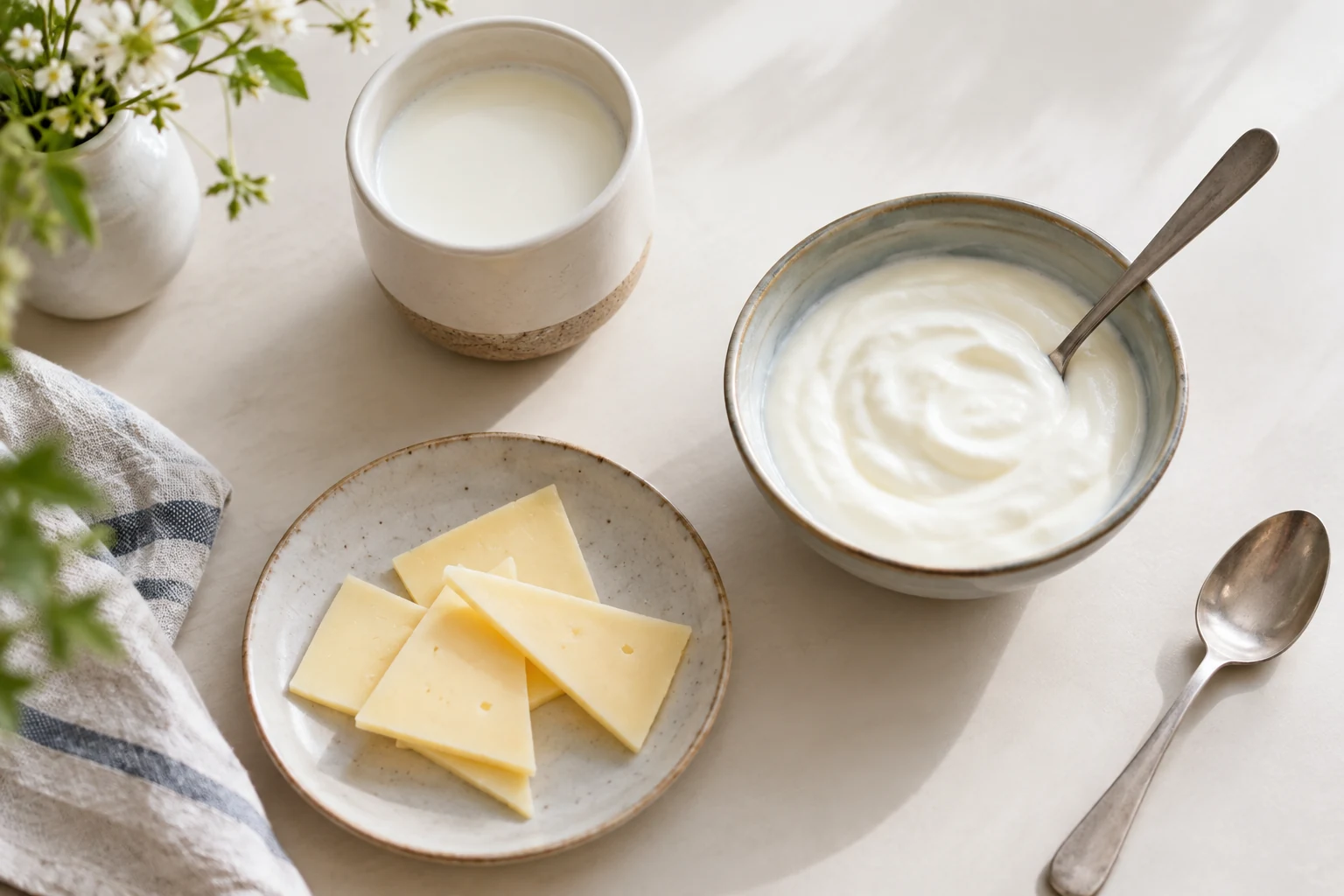
For example, about 240 mL with breakfast and 240 mL with a later meal totals about 480 mL; this is a planning example, not a minimum for every toddler.
Your toddler’s appetite can vary from day to day, so respond to hunger and fullness cues rather than expecting identical amounts every day.
Too much milk can crowd out other foods and make it harder to get enough iron.
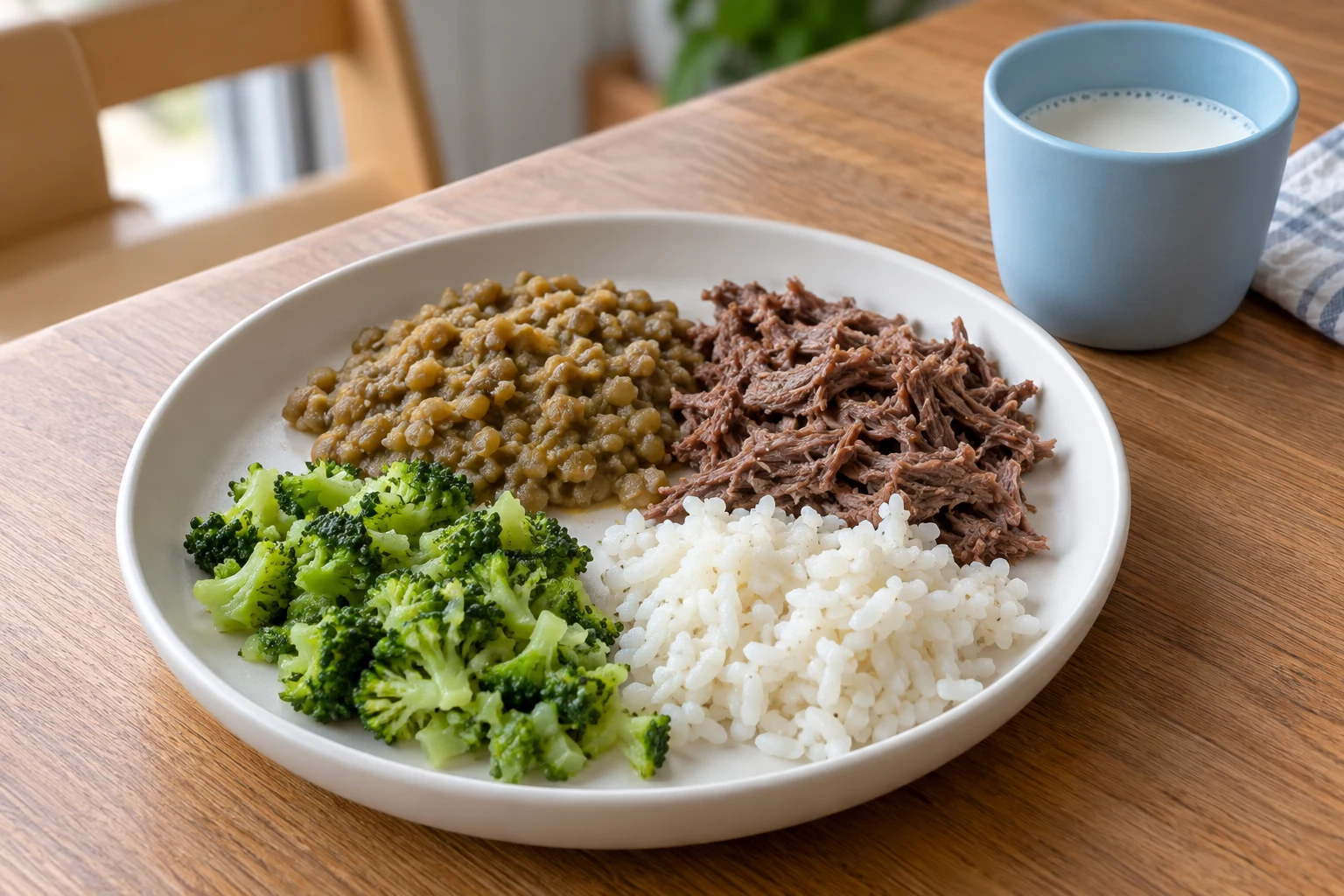
If milk is repeatedly replacing meals or your toddler eats very little or has a very limited diet, ask their clinician to review the diet.
A practical switch, without a deadline
Begin with milk in a small open or free-flow cup at a familiar meal, and stay patient while your toddler learns.

For a healthy formula-fed toddler eating a varied diet, offer cow’s milk in a cup at mealtimes as ordinary formula feeds are phased out.
If you choose to stop breastfeeding after 12 months, replace one breastfeed a day with a cup of suitable milk, then change other feeds gradually over several weeks or longer.
While you still use powdered formula, prepare it with the exact water and powder amounts on its label; never replace the water with cow’s milk or add extra water to dilute feeds.
When milk needs a different plan

Do not give rice drinks to children under five because they may contain too much arsenic.
For a known milk allergy, follow the allergy plan rather than testing cow’s milk at home.
Hives, vomiting or diarrhea after milk can be allergy symptoms; stop offering the suspected milk and seek medical advice.
Call your local emergency number immediately if your child has trouble breathing, sudden swelling of the mouth or throat, or becomes floppy or unresponsive.
Questions around the first birthday
Must breastfeeding stop at the first birthday?
No: breastfeeding can continue for as long as you and your child want.
What about cow’s milk already used in food?
Pasteurized cow’s milk can be used in cooking or mixed into food from around six months, but it should not become the main drink before 12 months.
Is toddler formula the required next step?
A healthy toddler eating a varied diet does not routinely need toddler formula after 12 months; prescribed special formulas need an individual plan.