Baby Biting and Hitting: What to Do

Protect everyone with an immediate calm boundary, then teach a safe alternative when your child is settled. Gentle guidance can start in infancy; the method changes as your child’s understanding grows.
SUMMARY
- Move between the children or help them move apart when a bite or hit is about to happen.
- Comfort the hurt child.
- Broken skin? Seek urgent advice.
For parents and other caregivers of babies and toddlers, the everyday decision is how to keep people safe now and what to teach next.
Why this happens
Occasional biting and hitting are common in young children and do not mean your child will grow up aggressive. Young children are still learning to express feelings in words and control their impulses.
Curiosity, frustration, tiredness, hunger or an overwhelming setting can be part of the picture.
At the moment of a bite or hit
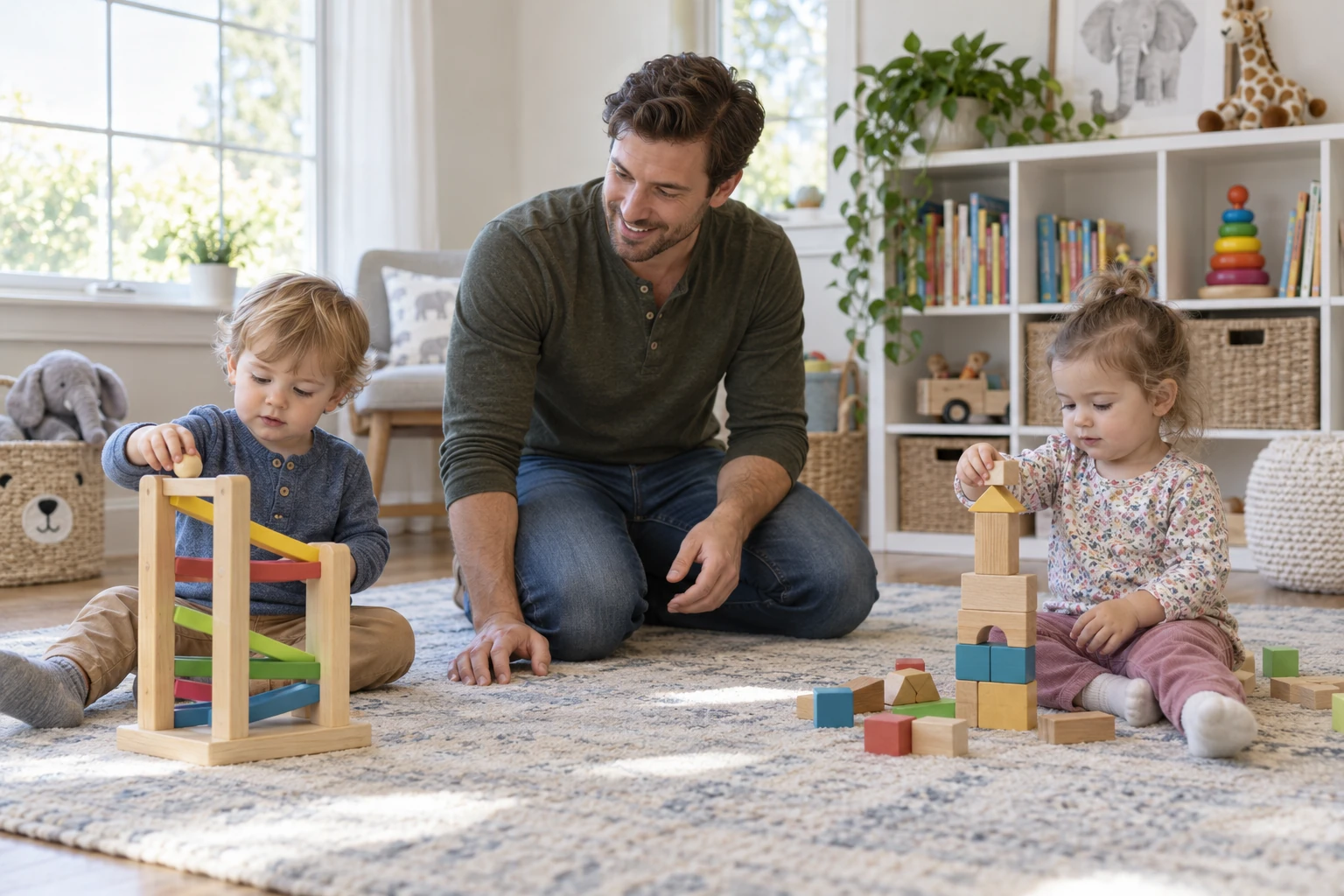
- Stop contact calmly.
- Use a calm, firm voice and a brief boundary, such as “I will not let you hit; hitting hurts.”
- Comfort the hurt child.
- If your toddler is overwhelmed, take a short break together in a quiet place and stay with them.
Do not ignore biting or hitting that is hurting someone. Stay nearby during shared play so you can interrupt another attempt.

Never hit or bite back. Avoid physical punishment, shouting and shaming.
When teaching limits begins
Discipline means teaching acceptable behaviour and self-control in a way your child can understand.
| Child’s stage | How to guide them |
|---|---|
| Infant | A baby does not yet understand right and wrong, so match your response to their understanding. If your baby is teething, offer a safe teething ring as a chewing alternative. |
| Toddler | A toddler may need the same boundary and many chances to practise before their behaviour changes. For a toddler who is not yet talking, show the alternative and put their feeling into simple words yourself. |
A very young child may feel confused or humiliated by a forced time-out; do not misuse it as punishment.
After everyone has settled
Once calm, name the feeling and practise an alternative, such as gentle touch or asking an adult for help.

Praise gentle touch.
Before the next shared playtime
Look for what happens just before the biting or hitting, including tiredness, hunger, crowding or a struggle over a toy.
Agree with other caregivers on the same brief boundary and share situations that seem to trigger the behaviour.
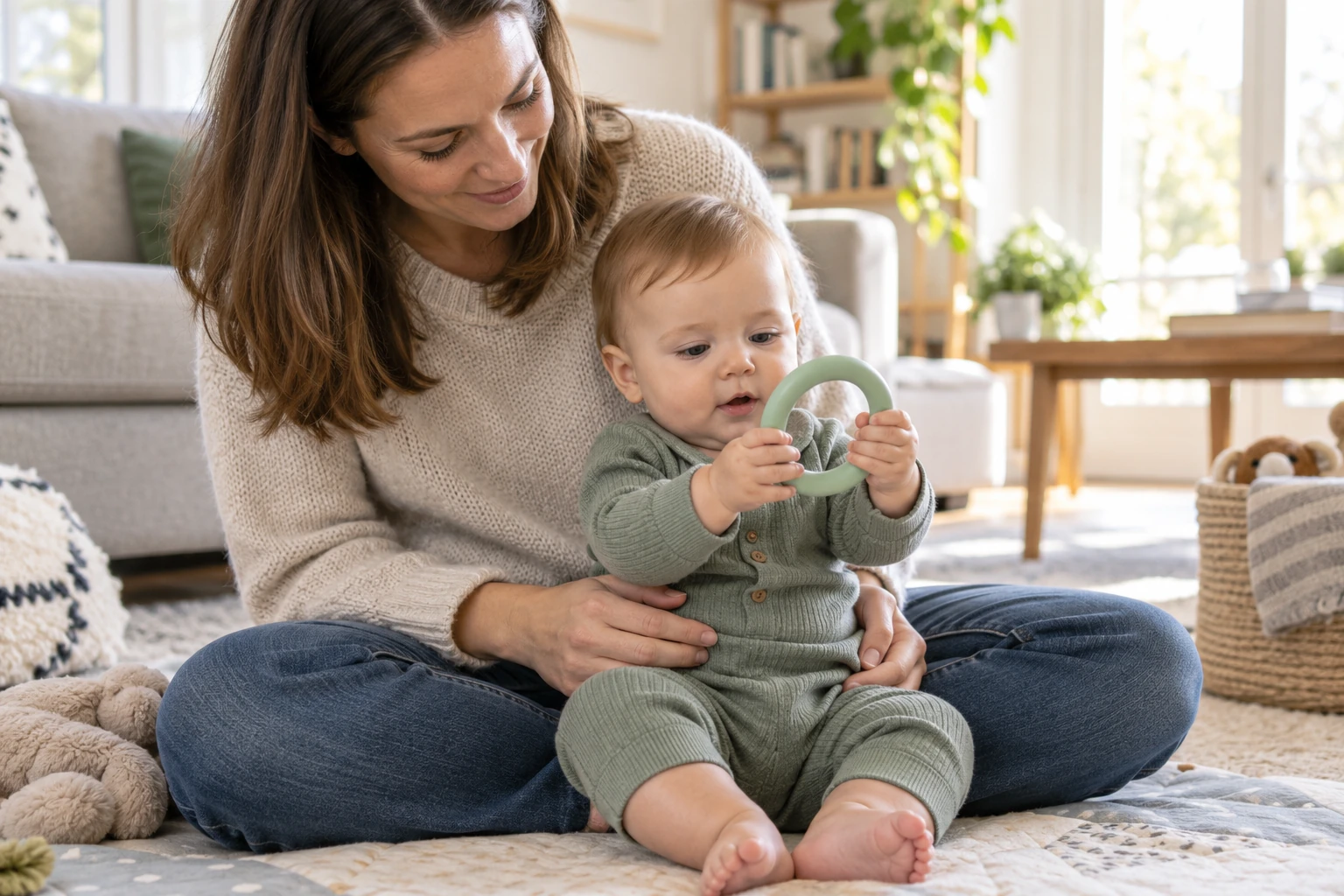
Follow the teething ring’s instructions; never freeze it or tie it around your child’s neck.
If someone has been bitten
If a bite breaks the skin, wash it with soap and warm water, pat dry and cover with a clean dressing.
A human bite that breaks skin needs urgent medical advice. Seek urgent advice if the bite becomes hot or swollen, leaks fluid, or the person bitten develops a fever.
Get emergency care for a large or deep wound or bleeding that will not stop. For heavy bleeding, press firmly with a clean cloth or dressing while arranging help.
When to ask for support
Talk with your child’s doctor if the behaviour is frequent, intense, worsening, disrupting daily life, or leaving you overwhelmed. Seek support if your child keeps hurting others or anyone at home is afraid of being hurt.

If you feel close to losing control, ask another adult to take over, or make sure your child is safe before taking a brief break.
Questions after a difficult moment
Why does my toddler repeat it after I say stop?
Your toddler may repeat a bite because they are still learning self-control or are interested in your reaction.
What if I shouted at my child?
If you shouted, reconnect through a hug or play once you are both calm.
Sources
- NHS — Temper tantrums
- East of England Community Health and Care NHS Trust — Just One Norfolk — Behaviour Troubleshooting
- The Royal Children’s Hospital Melbourne — Understanding behaviour – toddlers and young children
- NHS — Animal and human bites
- Victoria Department of Health — Better Health Channel — Discipline and children