Baby Swimming: Start Age and Pool Safety
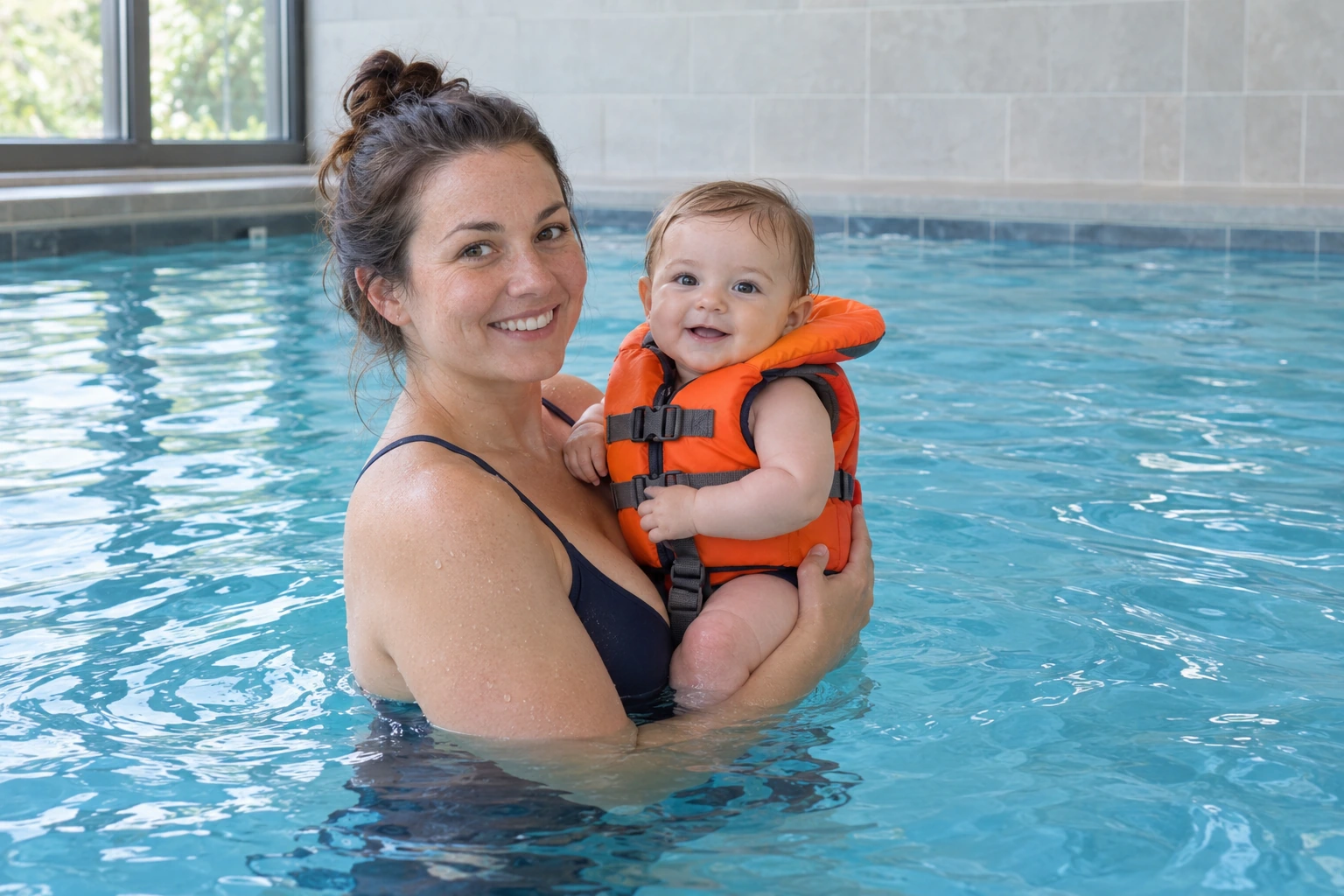
For a first pool visit, Cleveland Clinic advises waiting until about 6 months; the American Academy of Pediatrics (AAP) says many children can begin swim lessons from age 1, depending on readiness.
SUMMARY
- Even with a lifeguard present, stay in the water and within arm’s reach of your infant or toddler.
- Keep a child with diarrhea out of the pool, even when they wear a swim diaper.
- End the session if your baby shivers, feels cold or becomes distressed.
For caregivers planning a baby’s first pool visit or a toddler’s first class, start with the kind of activity you want to try.
Water play or swim lessons?
A first splash and a lesson aimed at water skills answer different questions.
Before a first pool visit, Cleveland Clinic advises waiting for good head control, better body-temperature regulation and a well-fitting U.S. Coast Guard-approved life jacket.
About 6 months is advice for a first pool visit, and age 1 a possible lesson start; close adult supervision is essential at every age. There is no evidence that swim programs for babies under 1 year reduce their drowning risk.
| Decision | Purpose | What to expect |
|---|---|---|
| Infant water play | Getting comfortable | A parent-child water-play class can help an infant get used to the pool. |
| A child ready for lessons | Learning water skills | Most children are ready for swim lessons by age 4. |
Consider your child’s comfort in water, emotional readiness, physical abilities and health needs; ask their pediatrician if readiness is uncertain. Swim lessons do not make a child drown-proof.
Choose the class and pool before booking
Before paying for a course, ask who supports your child in the water and watch how the instructor responds to each child.
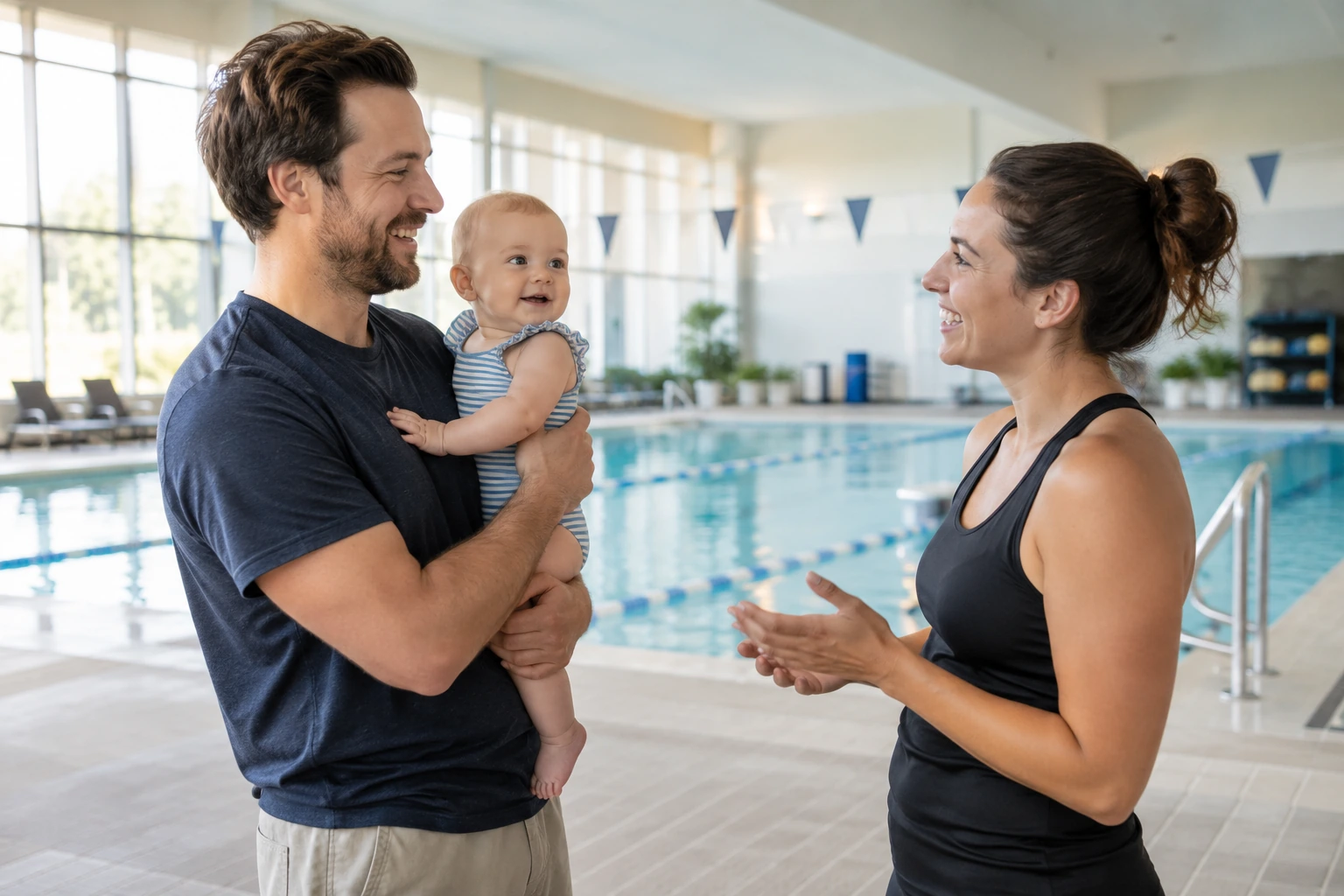
For a baby or toddler, look for age-appropriate activities and an adult who stays within arm’s reach throughout the class.
Check the environment
For classes for children aged 3 and younger, the AAP gives an ideal water-temperature range of 87–94°F (about 31–34°C). Keep babies out of hot tubs; they can overheat more easily than older children and adults.
If you cannot see the drain at the bottom of the deep end, or a drain cover is loose or missing, stay out and tell the pool staff.
During the first visit
Make the first visit about being together in the water, with a clear plan for who is watching and when to stop.
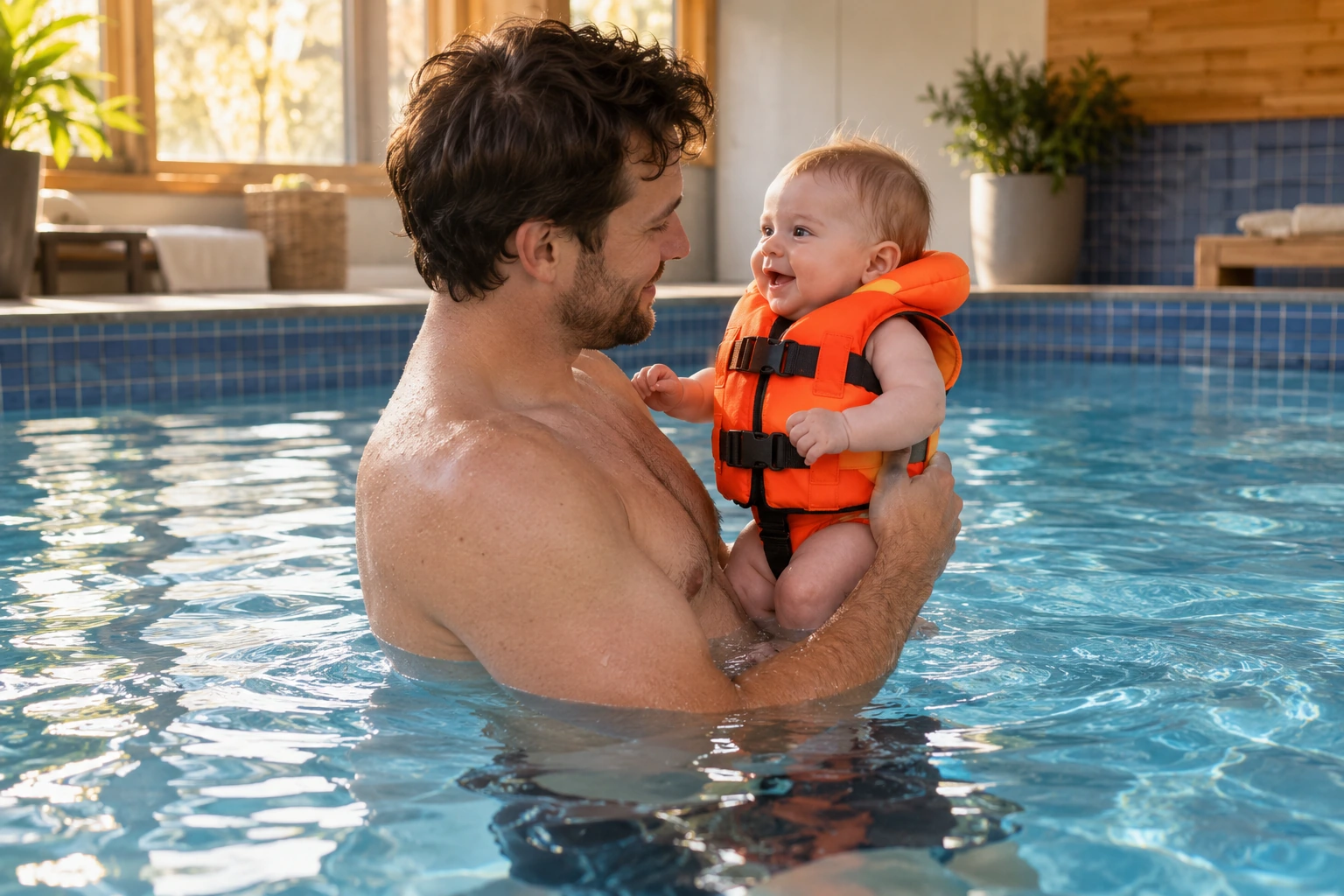
Put phones away and keep your attention on the child whenever you supervise near water. If you need to leave, take your child with you; do not leave a baby or toddler under another child’s supervision.
Name the adult who is watching the water and hand that responsibility directly to another adult before taking a break. Do not force a baby underwater or into a back float.
Cleveland Clinic advises keeping pool visits to about 30 minutes or less even after 6 months, and leaving earlier if the baby is uncomfortable.
Swim diapers and a change of plans
Swim diapers are not leak-proof and can still let contamination reach the water. Keep a child with diarrhea out of the pool, even when they wear a swim diaper.
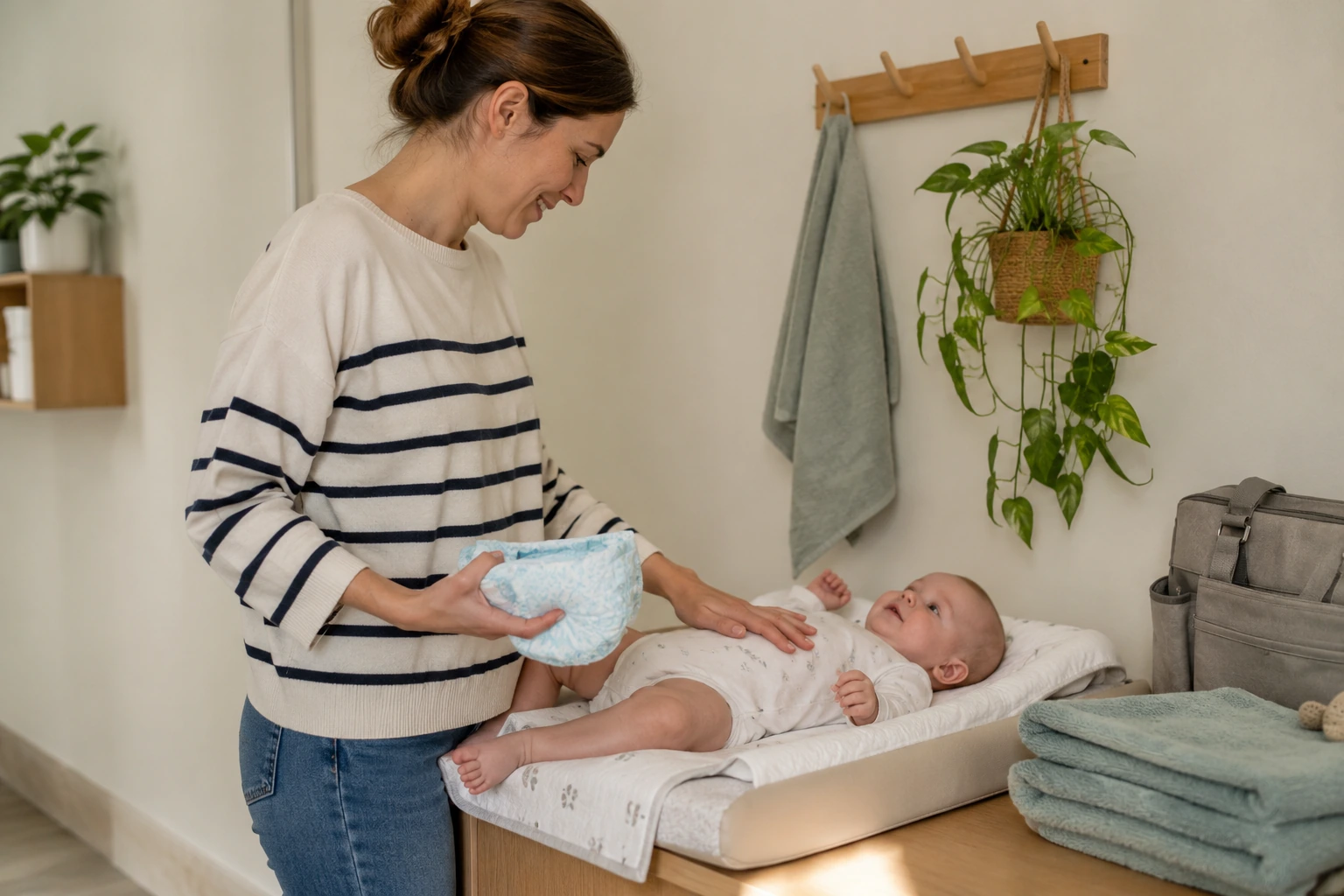
Wash hands after diaper changes, shower before swimming, and avoid getting pool water in your baby’s mouth.
Neck floats and other equipment
Avoid baby neck floats because a baby can slip through the ring, and pressure or head position can interfere with breathing.
The AAP recommends well-fitting U.S. Coast Guard-approved life jackets at lakes, rivers and other natural water, and also at pools and water parks for weak or non-swimmers. A life jacket does not replace hands-on adult support, and inflatable rings or arm bands do not replace a life jacket.
If your baby coughs or struggles in the water
Get help now
If your baby is struggling in the water, get them out safely without putting yourself in danger and alert the lifeguard or shout for help.
If a child is unresponsive or not breathing normally, call the local emergency number immediately. If unresponsive and not breathing or only gasping, begin CPR, using chest compressions and rescue breaths as you were trained.
After a water incident, persistent coughing, fast or difficult breathing, or unusual sleepiness or behavior needs prompt medical assessment.
A brief splutter that fully settles
If brief spluttering stops quickly and your baby immediately returns to normal breathing and behavior, stay attentive; get medical help if coughing, breathing trouble or unusual sleepiness appears.

Safety continues after you leave the pool
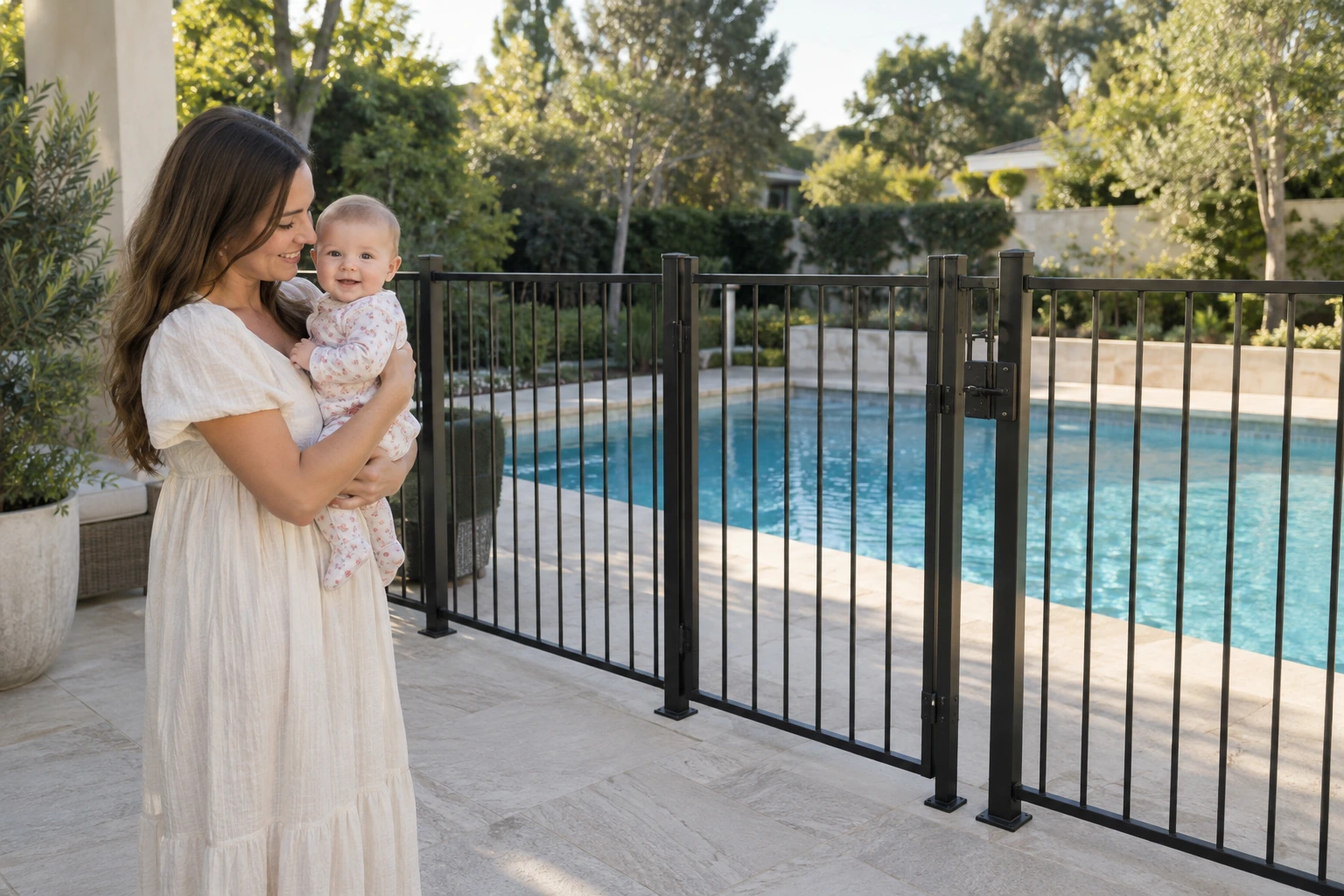
Empty small paddling pools immediately after use. Learn infant CPR and safe rescue skills before you need them.
Questions before you book
Must we finish vaccinations before swimming?
The UK NHS says babies can go swimming before and after their vaccinations without a required waiting period. That vaccination advice does not replace checking your baby’s readiness, health needs and the pool environment.
Should I worry about “dry drowning” days later?
The Red Cross says a child does not die from drowning days or weeks after swimming without preceding symptoms. “Dry drowning” and “secondary drowning” are not medically accepted diagnoses. If coughing, breathing trouble, unusual sleepiness or abnormal behavior appears at any time after a water incident, seek medical care promptly, even if your child previously seemed well.
Related guides
- For everyday washing, see our baby bath and skin care guide.
- For outdoor pool plans, read when and how to use baby sunscreen.
- If illness changes the plan, use the baby diarrhea and hydration guide.
- For access hazards at home, see babyproofing before crawling.
Sources
- American Academy of Pediatrics — Swim Lessons for Children: When to Start & What to Consider
- Cleveland Clinic — When Can Babies Go in the Pool?
- Illinois Department of Public Health — Check Out Healthy And Safe Swimming
- American Academy of Pediatrics — Are Baby Neck Floats Safe to Use in the Tub or Pool?
- American Red Cross — Debunking the Existence of Dry or Delayed/Secondary Drowning