Baby Flu: When to Call and What to Do

Children under 5, especially those under 2, have a higher risk of serious flu complications, so call your baby's clinician promptly when flu is suspected.
SUMMARY
If your baby is under 12 weeks with any fever, or has trouble breathing at any age, get urgent medical care.
Ask your baby's clinician early about prescription flu antivirals, which work best within 2 days of symptoms starting.
What symptoms should I notice?
Flu can bring fever, cough and a runny or stuffy nose; some children also vomit or have diarrhea.
A baby can have flu without a fever.
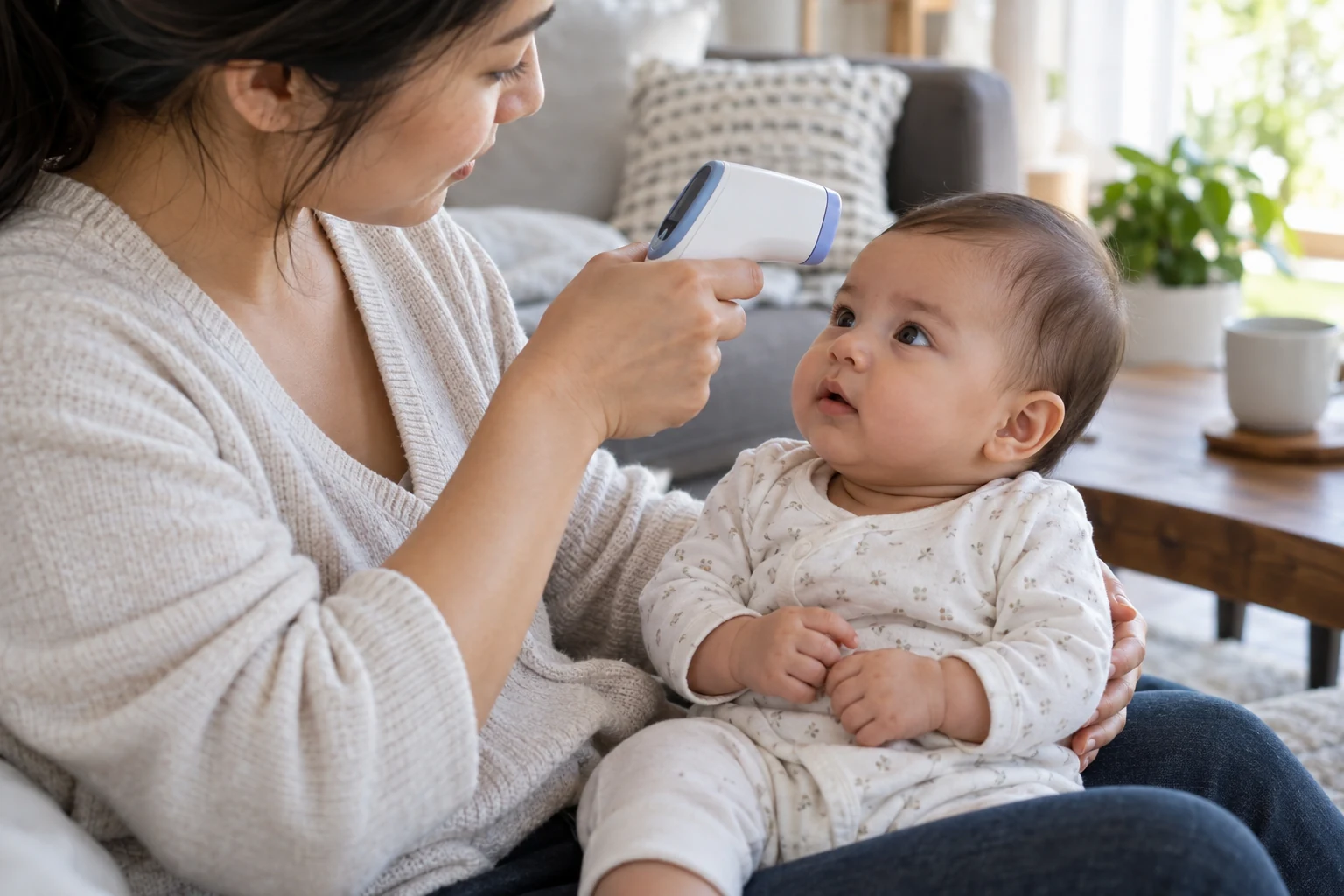
Call early when flu is suspected
A clinician may examine your baby and decide whether flu testing is needed.
Prescription flu antivirals work best when started within 2 days of symptoms, and your baby's clinician decides whether to prescribe them.
Some children can still benefit from antiviral treatment after 2 days, especially when their risk is high or illness is severe.

Go now for these warning signs
For a baby younger than 12 weeks, any fever needs urgent medical care.
Get urgent medical care for fast or difficult breathing, ribs pulling in with each breath, or blue lips or face.
No urine for 8 hours, a dry mouth or no tears while crying can signal dehydration and needs urgent medical care.
Seek urgent medical care if your baby is not alert or responsive while awake, or has a seizure.
A fever or cough that improves and then returns or worsens also needs urgent medical care.

Comfort and medicines while arranging care
While arranging care, let your baby rest and offer milk feeds for fluids.
Never give aspirin to a child with suspected or confirmed flu.
Ask your baby's clinician about fever medicine and age- and weight-appropriate doses; ibuprofen is for children 6 months or older and must not be given if they are dehydrated or vomiting continuously.
Antibiotics do not treat the influenza virus, though a clinician may use them for a separate bacterial complication.

Protecting your baby before flu arrives
Babies younger than 6 months cannot receive a flu vaccine; in the US, children should get one each year from 6 months onward.
Under CDC guidance, a baby receiving a first flu vaccine at 6–11 months needs a second dose at least 4 weeks later.
Under CDC guidance, caregivers and household members aged 6 months or older should also receive a flu vaccine each year to reduce the chance of passing flu to the baby.
In England, NHS flu vaccination is offered from 6 months to children with certain long-term conditions.
If a caregiver develops flu symptoms, limit close contact when possible and wash hands before feeding or other close care.

Frequently asked questions
Must we wait for a positive flu test before discussing treatment?
A clinician may prescribe flu antivirals for suspected flu without waiting for a positive test.
Can a baby with flu continue breast milk?
A baby with flu can continue breastfeeding or receive expressed breast milk.