Baby Hand, Foot and Mouth: Stages & Recovery
Hand, foot and mouth disease often starts with fever, sore throat or reduced appetite, followed a few days later by mouth sores and a hand-and-foot rash; most children recover in 7–10 days.
SUMMARY
- Get urgent medical advice if your baby is drinking poorly and you are worried about dehydration, or if they have fewer wet diapers than usual.
- Keep your child home while unwell and confirm the return requirements with their childcare provider.
- Continue careful handwashing after recovery because the virus can still spread after symptoms end.
How symptoms usually unfold
HFMD is a viral infection most common in infants and children under 5, though adults can catch it too.
Early illness often appears 3–5 days after catching the virus.
| Usual phase | What you may notice |
|---|---|
| At the start | Early symptoms can include fever, sore throat and eating or drinking less. |
| A few days later | A few days later, painful mouth sores and spots on the hands and feet may appear. |
Rash can also appear on the buttocks, legs and arms.
Some children have no fever or only a mild one, and the rash may be sparse.
A clinician usually diagnoses HFMD from the rash, age and other symptoms; tests are sometimes needed.
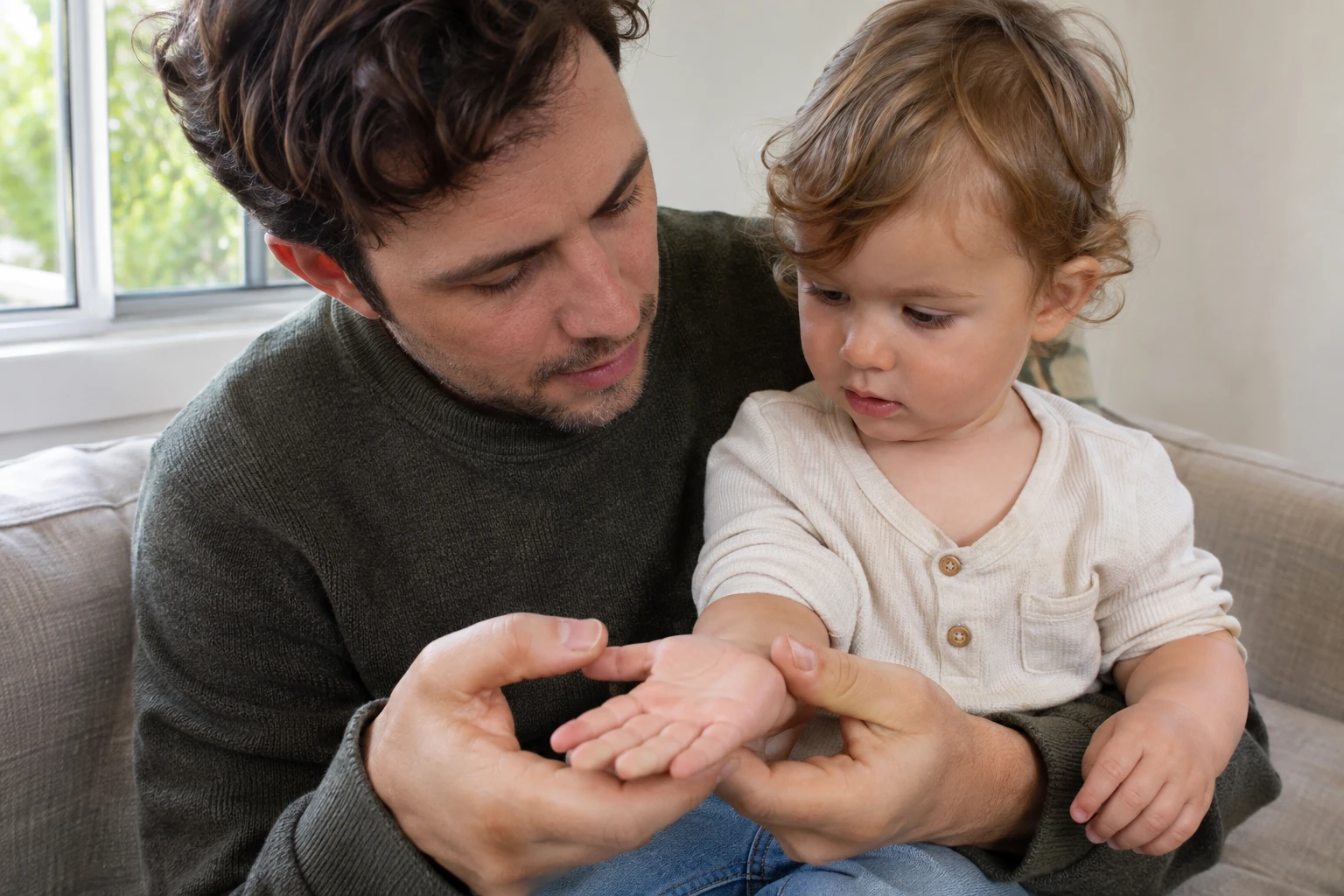
When will my baby be well again?
Most children get better within 7–10 days with little or no medical treatment.
Contact a clinician if symptoms are not improving after 10 days or fever lasts longer than 3 days.
Contagious period and time at home
People are usually most contagious during the first week of illness, but can pass the virus on for days or weeks after symptoms resolve, even without symptoms.
Spread can start a few days before symptoms.
The virus can spread through saliva, respiratory droplets, blister fluid, stool and contaminated objects.
Symptom recovery does not mark an exact end to infectiousness.
Returning to childcare
These regional recommendations do not share a single fixed isolation countdown.
South Korea
For South Korea, public guidance advises avoiding group childcare until the child has fully recovered.
United States
In the United States, CDC guidance allows attendance when there is no fever, the child feels well enough to participate and mouth sores do not cause uncontrolled drooling; local health authorities may require staying home during an outbreak.
Japan
In Japan, return is possible when the child’s general condition is stable, there is no fever and mouth pain no longer interferes with their usual meals.
Ask the childcare provider and your clinician which local return requirements apply to your child.

Comfort and fluids at home
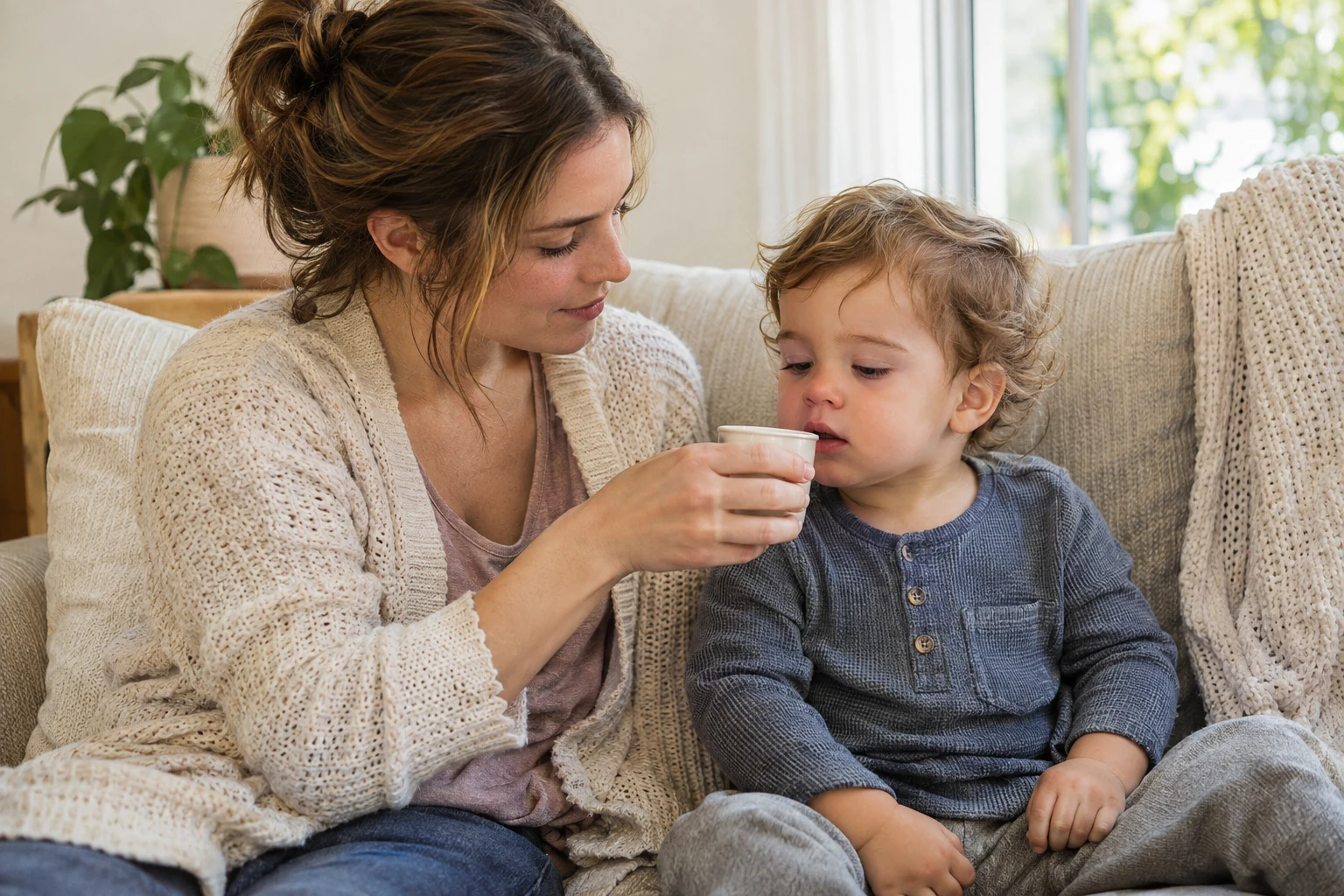
Painful mouth sores can make swallowing hurt, reduce drinking and cause dehydration.
Continue breast milk or usual-strength formula; smaller, more frequent feeds may be easier.
Do not dilute formula.
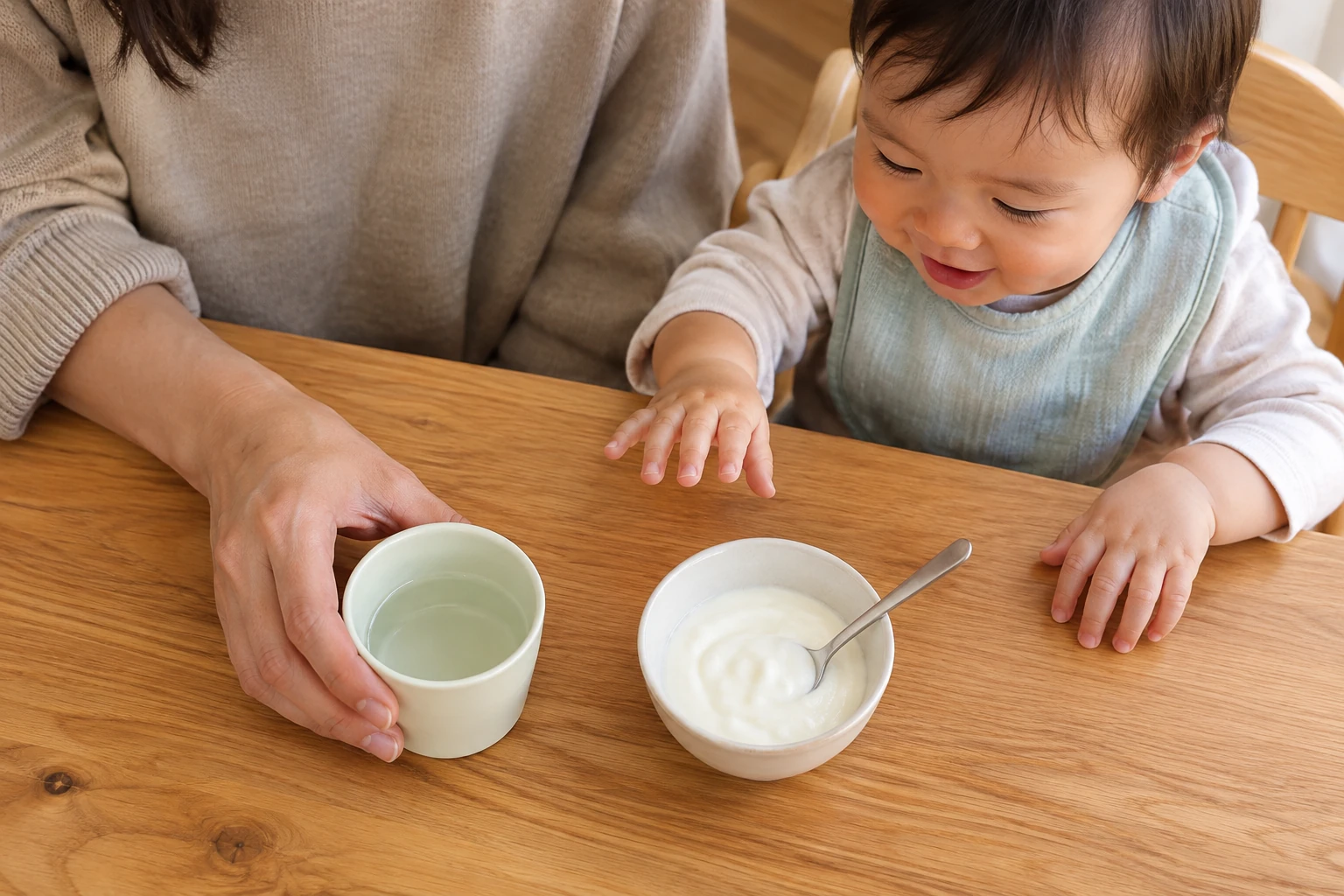
For a child already taking solids, try cool fluids and soft foods such as plain yogurt, avoiding acidic drinks and hot, salty or spicy foods.
Ask a pharmacist or clinician which pain medicine or mouth treatment is suitable for your child’s age; do not give aspirin to children.
Antibiotics do not cure HFMD because it is viral.
Reduce spread around the family
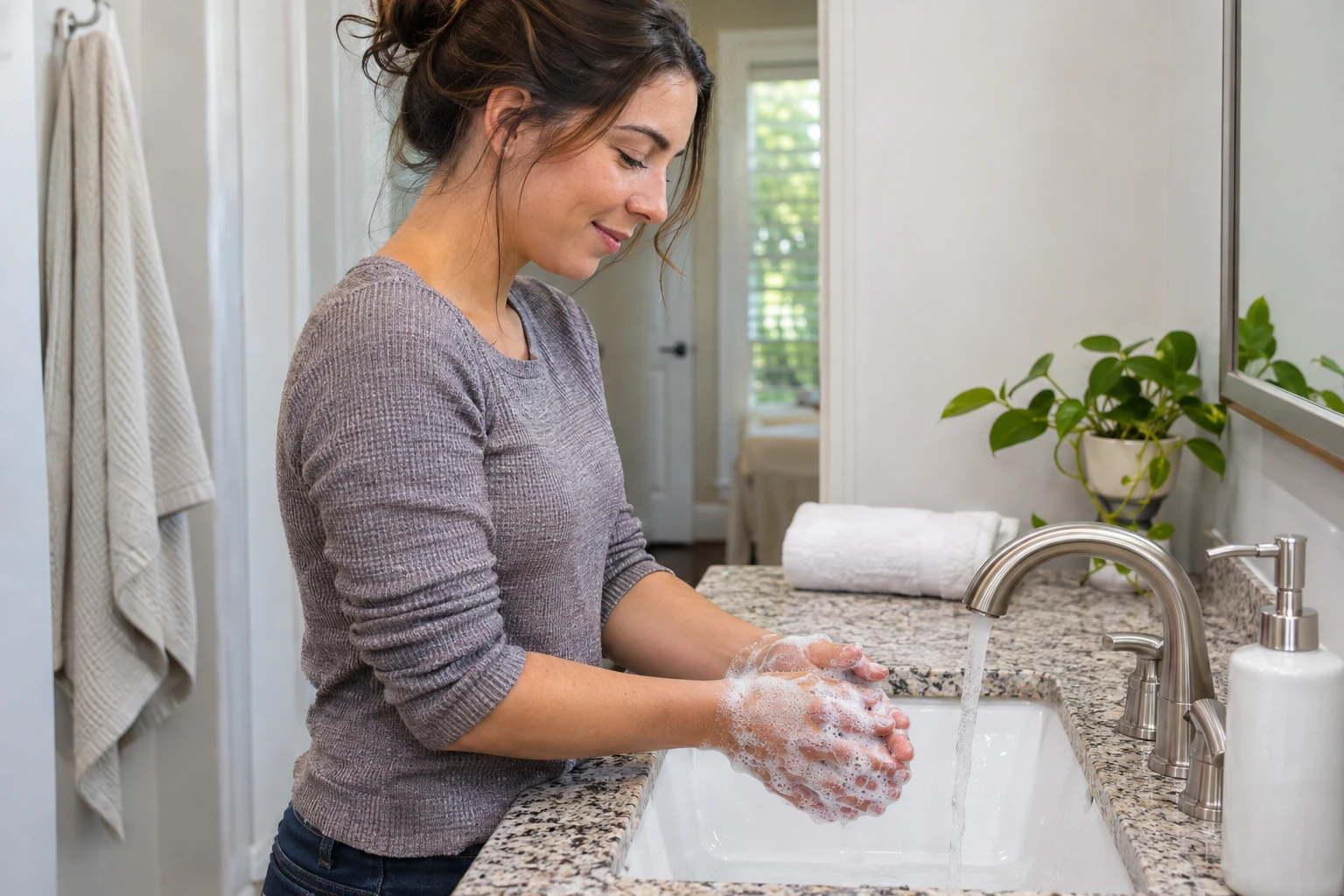
Wash hands with soap and water for at least 20 seconds, especially after diaper changes and toilet use.
Clean and disinfect frequently touched surfaces and shared toys.
Avoid sharing cups, cutlery and towels.
Keep blisters clean and avoid touching them.
When to seek care
Seek prompt medical assessment for suspected HFMD in a baby under 6 months or a child with a weakened immune system.
A baby under 3 months with a temperature of 38°C or higher needs urgent medical advice.
Fewer wet diapers than usual, few or no tears when crying, or unusual drowsiness can signal dehydration and need urgent medical advice.

Call your local emergency number if your child is hard to wake, has difficulty breathing, a stiff neck, a first seizure or a rash that does not fade under pressure.
Call the clinic before arriving with suspected HFMD.
One more family question
Can parents catch it, and can my child get it again?
Adults can catch HFMD too, and a child can get it more than once.